-
The Dance of Love
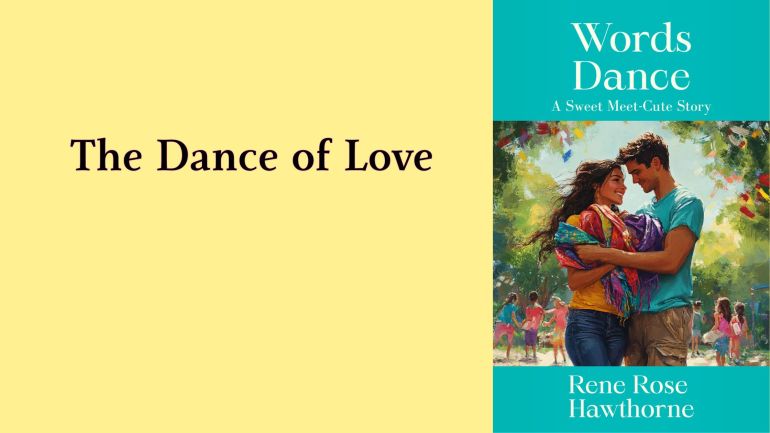
When Movement Meets the Heart
There’s something magical about watching someone who truly loves what they do. in my short story, “Words Dance,” Taylor, the dance teacher in our latest story, embodies this passion as she guides twenty energetic children through movement classes under the golden afternoon sun.
Dance isn’t just about steps and rhythm—it’s about expression, transformation, and finding your voice through movement. Taylor sees her students evolve from shy and awkward to bold and expressive, reminding her why she fell in love with dance in the first place.
But what happens when a dancer meets someone who speaks the same creative language in a different form? When Taylor encounters Devin, a gentle poet who sees magic in maple leaves, she discovers that words can dance just as beautifully as bodies.
Their story unfolds like a perfectly choreographed piece—tentative at first, then building to something breathtaking. Because sometimes the best partnerships happen when two artists recognize the rhythm in each other’s souls.
Ready to fall in love with Taylor and Devin’s story? Read “Words Dance” today!

-
Beyond the Meet-Cute: Why Artisan Romance Captures Hearts
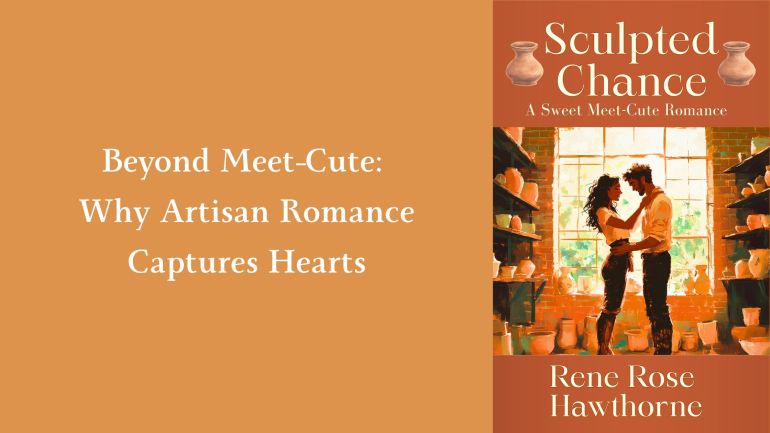
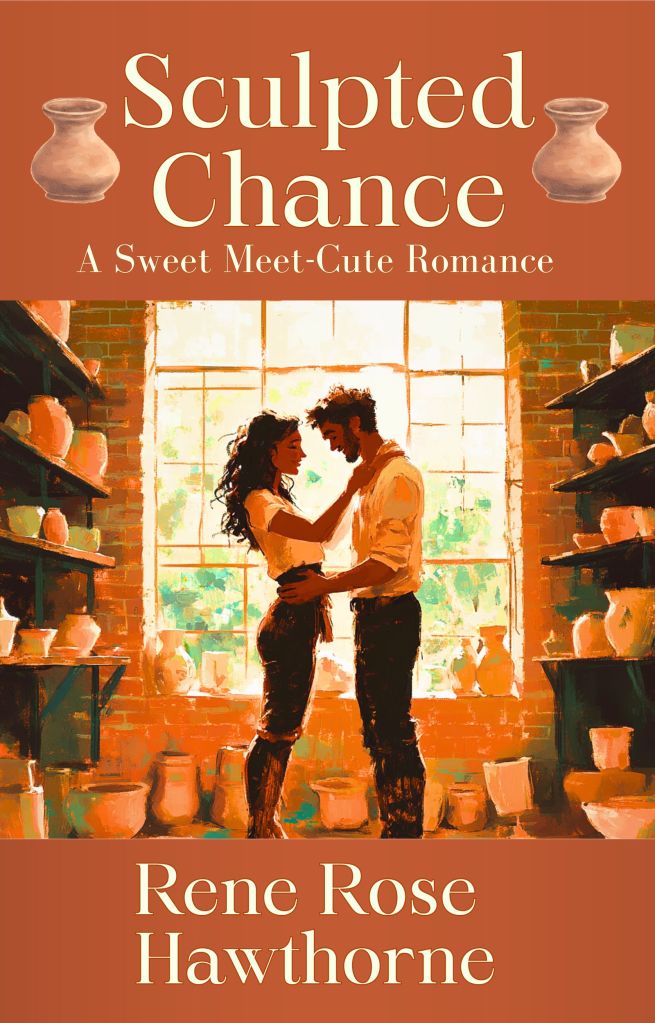
There’s something deeply romantic about characters who create beauty with their hands. In “Sculpted Chance,” Ivy doesn’t just happen to work with clay—her artistry is integral to who she is and how she connects with Lucas.
Artisan romance taps into our longing for meaningful work, for creation that feeds the soul. When Lucas watches Ivy’s hands shape clay with confidence and care, he’s seeing someone who has found her calling. Her skill and passion are attractive not just professionally, but personally.
These characters offer something our digital age often lacks: the tangible, the handmade, the slowly crafted. Their work requires patience, dedication, and a willingness to start over when things don’t go as planned—qualities that make them excellent romantic partners.
The studio setting provides natural intimacy. Shared creative spaces invite collaboration, conversation, and the kind of comfortable silence that develops between people who understand each other’s rhythms.
Artisan romance reminds us that love, like art, requires dedication, patience, and the courage to create something beautiful together. It’s about finding someone who appreciates both the process and the result.
Discover the artistry of love in “Sculpted Chance”—where romance and creativity intertwine beautifully.
-
“Try Something New”: The Invitation That Changes Everything
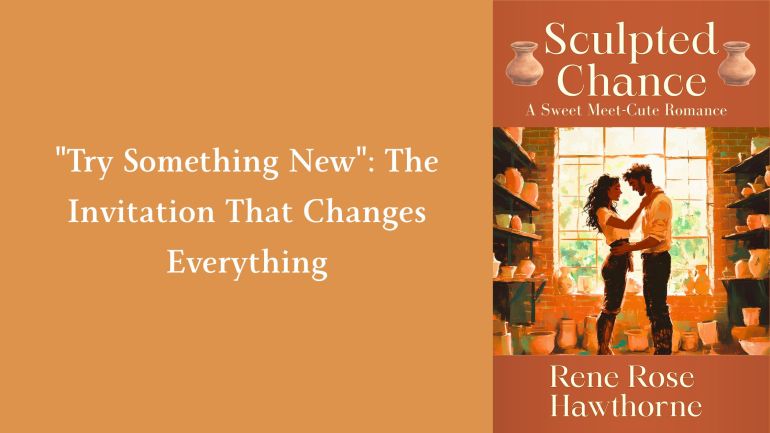
The most romantic invitations aren’t always to dinner or a movie. Sometimes they’re invitations to step outside our comfort zones, to try something we’ve never done before. In “Sculpted Chance,” Ivy’s invitation to Lucas to attend open studio night is about much more than pottery.
When she suggests he try working with clay, she’s really asking: “Are you willing to get messy? Are you open to possibility? Will you trust me enough to try something that might not come naturally?”
These invitations work beautifully in sweet romance because they’re low-pressure but high-potential. There’s no expectation of immediate mastery, just willingness to explore. Lucas doesn’t need to be a skilled sculptor; he just needs to be open to the experience—and to her.
The beauty of “try something new” invitations is that they create shared discovery. Both characters are learning something—about the activity, about each other, about themselves. These moments build connection through vulnerability and shared experience.
When someone invites us to try something new, they’re offering to be our guide, our teacher, our companion in unfamiliar territory. In romance, these invitations often become invitations to love itself.
Accept the invitation to fall in love with “Sculpted Chance”—where trying something new leads to everything.
-
The Sensual Art of Sweet Romance: When Clay Becomes Cupid
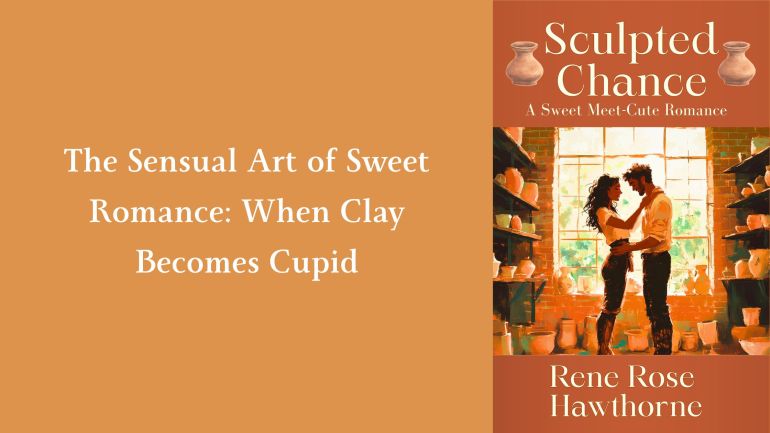
Physical sensation in sweet romance doesn’t have to be steamy—it can be wonderfully tactile and innocent. In “Sculpted Chance,” wet clay becomes an unexpected matchmaker, creating intimate moments that are both awkward and endearing.
When Lucas falls into Ivy’s clay bin, the cool, damp material clinging to his skin creates immediate physical connection to her world. Clay smudges become conversation starters. The earthy scent that follows him throughout their meeting serves as a tangible reminder of their first encounter.
This kind of sensual detail works because it’s authentic and relatable. We’ve all experienced those moments when a substance—flour while baking, paint while decorating, mud while gardening—becomes part of an interaction. These shared messes create bonds.
The clay in Lucas and Ivy’s story serves multiple purposes: it’s the cause of their meeting, the source of gentle humor, and a metaphor for how love can reshape us. Like working with clay, falling in love requires getting your hands dirty, embracing imperfection, and trusting the process.
Physical sensations ground romance in reality, making characters’ experiences vivid and memorable. Sometimes the sweetest romantic moments happen when we’re at our messiest.
Get beautifully messy with “Sculpted Chance”—where love and clay intertwine perfectly.
-
Family Threads: How Siblings Weave Love Stories Together
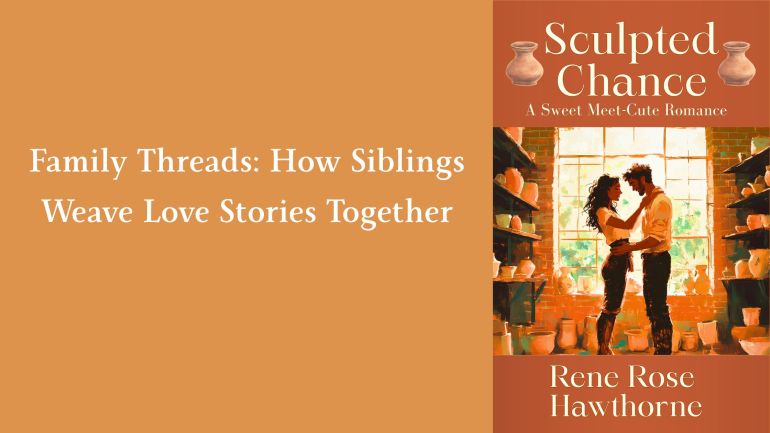
Behind every great romance is often a family member who unknowingly plays cupid. In “Sculpted Chance,” Tara’s frantic call to her brother Lucas sets the entire love story in motion. She needs pottery tools delivered, and Lucas—being the dependable brother he is—agrees despite his looming client meeting.
This is the magic of family in romance: they create the circumstances that bring hearts together. Tara doesn’t know she’s sending Lucas to meet his future love interest. She’s just a sister who forgot her supplies and needs help. But her trust in her brother’s reliability becomes the catalyst for something beautiful.
Family members in sweet romance serve as anchors of authenticity. They remind us that our characters have full lives, responsibilities, and people who depend on them. When Lucas agrees to help Tara, we see his character—he’s the kind of man who shows up for the people he loves.
These family connections add layers of warmth to romance. They suggest that love doesn’t exist in isolation but grows within a network of caring relationships. The best romantic partners are often those who already know how to love well.
Discover how family loyalty leads to unexpected love in “Sculpted Chance”—now available!
-
The Magic of Accidental Meet-Cutes in Romance
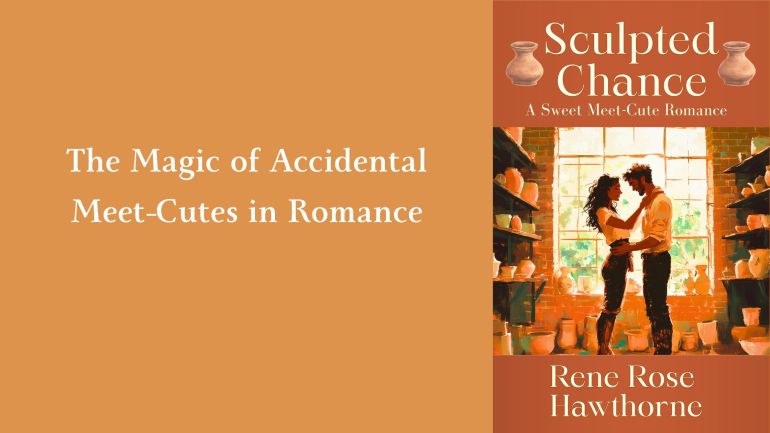
There’s something irresistibly charming about characters who stumble into love—literally. In sweet romance, the best connections often happen when we’re not looking for them. When Lucas tumbles into that clay bin in my latest story “Sculpted Chance,” he’s just trying to help his sister. He’s not hunting for romance; he’s checking off an errand.
These accidental encounters feel authentic because they mirror real life. Love doesn’t always arrive with orchestrated perfection. Sometimes it shows up covered in wet clay, embarrassed and apologetic, when you’re focused on something entirely different.
Accidental meet-cutes work because they strip away pretense. There’s no time to put on a perfect facade when you’re flat on your back in an art studio. Characters meet each other in raw, unguarded moments—and that’s where real connection begins.
The beauty of these “wrong place, right time” moments is that they feel like fate without being contrived. They remind us that love often finds us when we’re busy living our lives, helping our families, and simply being human.
Ready for your own sweet surprise? Dive into “Sculpted Chance” on Amazon, and discover how the most beautiful love stories begin with the most unexpected falls.
You can also find it for listening on Youtube and Rumble.
-
The Art of Recognition: How Craft Becomes the Foundation of Love

Traditional romance often relies on external circumstances to bring couples together—chance meetings, forced proximity, workplace dynamics. Artisan romance creates deeper foundation for connection by establishing shared values before characters ever meet. In “Grain and Rise,” when Maya descends from her workshop drawn by Elias’s singing, she’s already primed to recognize a kindred spirit because they both approach creation with the same reverence.
The magic lies in watching characters recognize their own devotion reflected in another’s relationship with different materials. In “Piano Keys,” Elise understands Nathaniel’s patient practice because she know what it takes to create and record music as an audio engineer. Their conversation flows naturally because they speak the same language of dedication, even across different mediums.
This shared understanding creates romantic tension that feels earned rather than manufactured. When Elise offers to help document Nathaniel’s compositions, it’s not just professional assistance—it’s one artist recognizing another’s need to preserve ephemeral beauty. Their collaboration becomes courtship because they’re each offering their greatest gifts: expertise, time, and the vulnerability of sharing unfinished work with someone who truly comprehends its value.
Artisan romance suggests that the deepest connections form not through superficial attraction but through recognition of shared values made visible in daily practice. Love becomes the natural evolution of mutual respect for each other’s dedication to beauty, craftsmanship, and the patient work of making something meaningful from nothing.
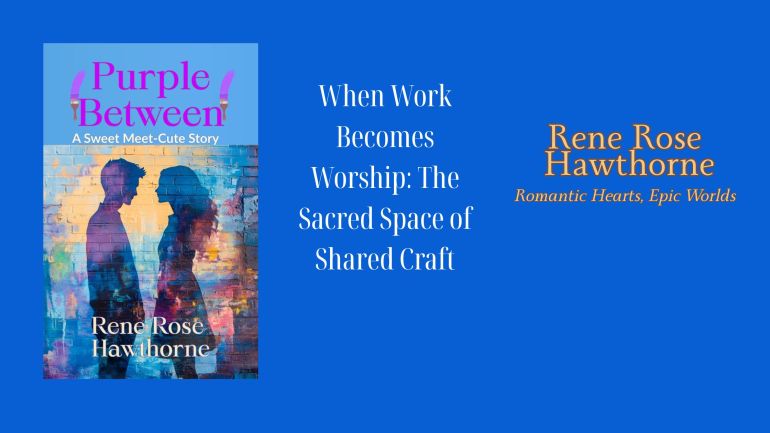
On July 8th, available for pre-order now, “Purple Between” will explore what happens when two artists who love the same medium come together on a community project.
-
Last Day for a 4th of July #FREE Story Sale!
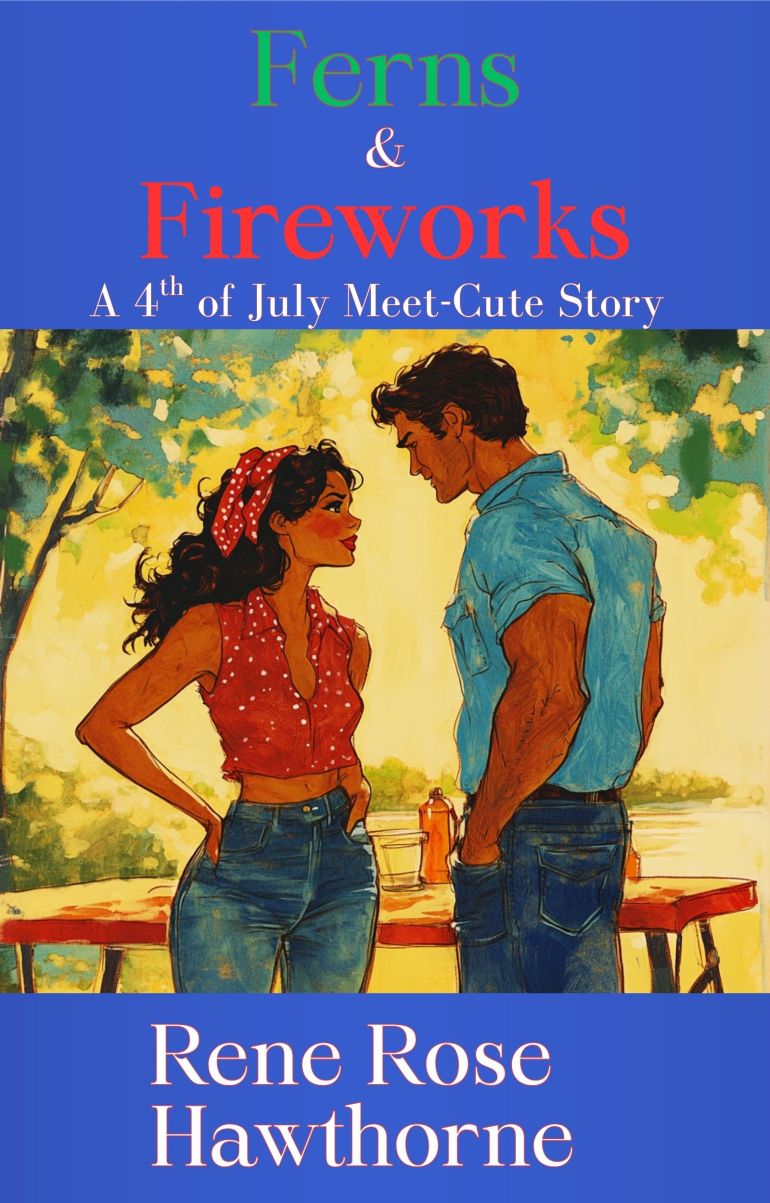
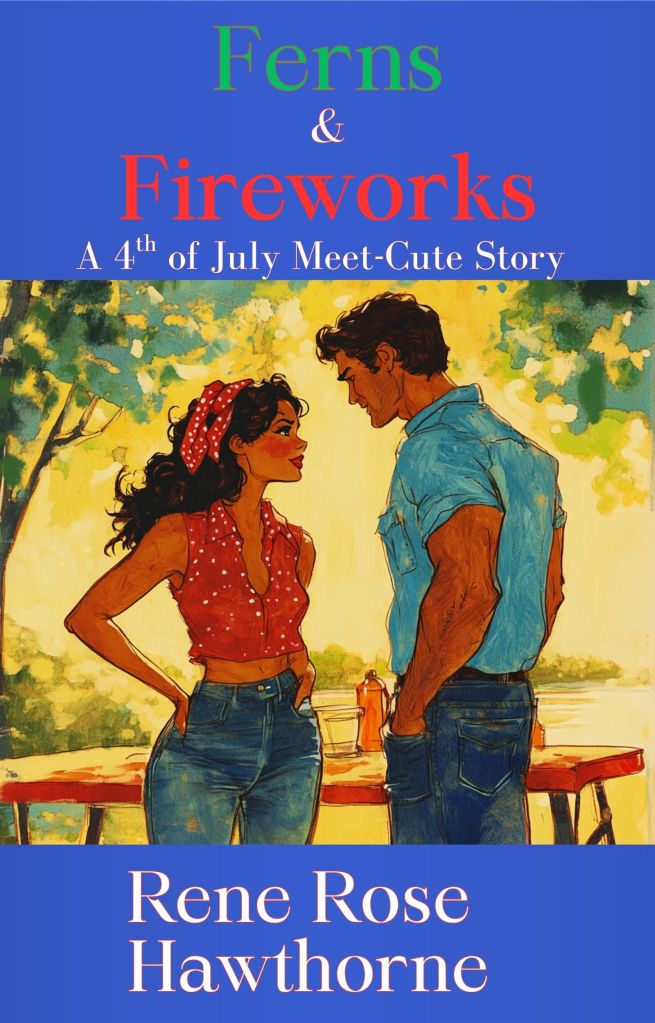
Yes, I know it’s the 8th, but my short story “Ferns & Fireworks: A Sweet Meet-Cute Story” is on it’s last sale today with Amazon Kindle. So, if you are seeking a little enemies to lovers, sweet romance, check it out for #FREE.
Ferns and Fireworks is #free July 4th-8th! Happy July! #romance https://www.amazon.com/dp/B0FGBKH4HK
-
When Work Becomes Worship: The Sacred Space of Shared Craft
Ferns and Fireworks is FREE on Kindle July 4-8th!
“They painted side by side as the morning dissolved into afternoon. Their brushes moved in complementary rhythms across the warming brick.”
In this simple description lies something profound: the moment when creative work transcends mere labor and becomes sacred practice. Rio and Mei don’t just paint together—they enter a shared reverence, a temple built from color and intention where two souls commune through brush and pigment.
Their collaboration wraps them “in their own private world where nothing existed but color and promise.”
This isn’t multitasking or casual assistance. This is worship—the kind of devoted attention that transforms ordinary materials into something transcendent. Their synchronized movements, the way they instinctively understand what each section needs, the comfortable silence punctuated only by Mei’s unconscious humming—all of it speaks to craft elevated to the realm of the sacred.
Artisan romance recognizes that for true creators, work isn’t separate from spirituality—it is spirituality. The patient devotion required to mix the perfect shade of purple, the meditative focus needed to guide a brush across brick, the faith required to trust that vision will manifest through skilled hands—these are acts of worship disguised as artistic technique.
When Rio realizes that Mei’s presence makes “colors more vivid and ideas more endless,” he’s experiencing what happens when someone else enters your sacred creative space with equal reverence. She doesn’t disrupt his ritual, she amplifies it. Her understanding of “the patient devotion required to transform vision into reality” means she approaches their shared work with the same reverence he brings to his solitary practice.
In artisan romance, falling in love means finding someone who treats your creative practice with the same sacred attention you do.
Read “Purple Between” at Amazon. Listen to this story on Youtube or Rumble.

-
Sweet Enemies-to-Lovers: Attraction Despite Opposition

Ferns and Fireworks is FREE on Kindle July 4-8th!
The enemies-to-lovers trope doesn’t require hatred—sometimes the sweetest tension comes from characters who are immediately attracted despite fundamental disagreements. In “Ferns and Fireworks,” Rosa notices Owen’s paint-stained hands and intense green eyes even as his environmental concerns threaten everything she holds dear.
This softer approach to the trope works because opposition creates intimacy. When characters challenge each other’s beliefs, they’re forced to articulate what matters most, revealing depth that might otherwise remain hidden. Rosa’s passionate defense of tradition shows Owen her loyalty and emotional intelligence; Owen’s environmental concerns demonstrate his thoughtfulness and long-term thinking.
The key is making both characters worthy opponents. Neither Rosa nor Owen is painted as unreasonable—their conflict stems from different but valid priorities. This creates space for genuine respect to grow alongside attraction.
Sweet enemies-to-lovers celebrates the spark that occurs when strong personalities meet their match. Characters don’t need to compromise their values, but they do need to expand their perspectives. The best resolution honors both viewpoints while finding creative solutions neither could achieve alone.
When attraction blooms despite disagreement, it suggests love strong enough to bridge differences—the foundation for relationships that last beyond the final page.
See Rosa and Owen navigate attraction and opposition in “Ferns and Fireworks.”Ferns and Fireworks is FREE on Kindle July 4-8th!
-
Subscribe
Subscribed
Have a WordPress.com account? Log in now.

