Home

  • Why Awkward Meet-Cutes Are the Best Meet-Cutes
    Why Awkward Meet-Cutes Are the Best Meet-Cutes
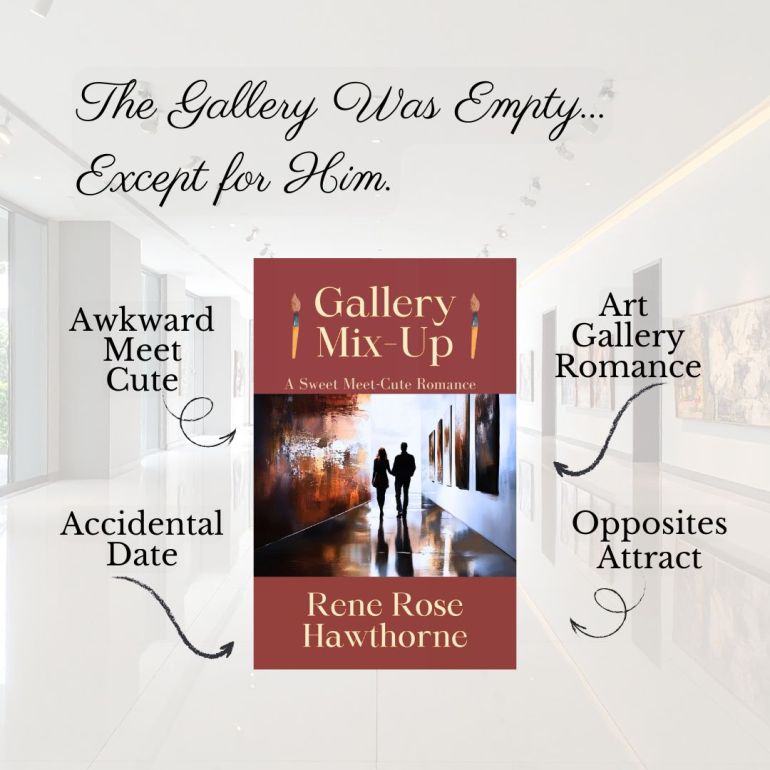
    Thereโ€™s something irresistibly charming about an awkward first meeting.

    Not the polished kind where everything goes perfectly. Not the kind where two people immediately say all the right things. Instead, the kind where someone says something a little strange, or trips over their words, or finds themselves standing in a situation they didnโ€™t expect.

    Those moments may feel uncomfortable in real lifeโ€”but in romance stories, theyโ€™re often the most memorable beginnings.

    Thatโ€™s the magic of the awkward meet-cute.

    When two people meet under slightly ridiculous or unexpected circumstances, it instantly lowers their guard. Instead of carefully crafted introductions and perfectly rehearsed conversations, theyโ€™re justโ€ฆ human.

    They laugh.
    They stumble through the moment.
    They reveal little pieces of themselves they didnโ€™t plan to show.

    And sometimes, those imperfect moments become the foundation for something beautiful.

    Awkward meet-cutes also carry a sense of authenticity. Real life rarely gives us perfectly choreographed romantic introductions. More often, we meet people in small, ordinary waysโ€”through misunderstandings, shared situations, or moments that feel slightly embarrassing at first.

    But those moments can also be the most genuine.

    Maybe two people reach for the same painting label in a gallery and bump hands.
    Maybe one person accidentally assumes the other is part of the event staff.
    Maybe a quiet room suddenly isnโ€™t so quiet anymore when an unexpected conversation begins.

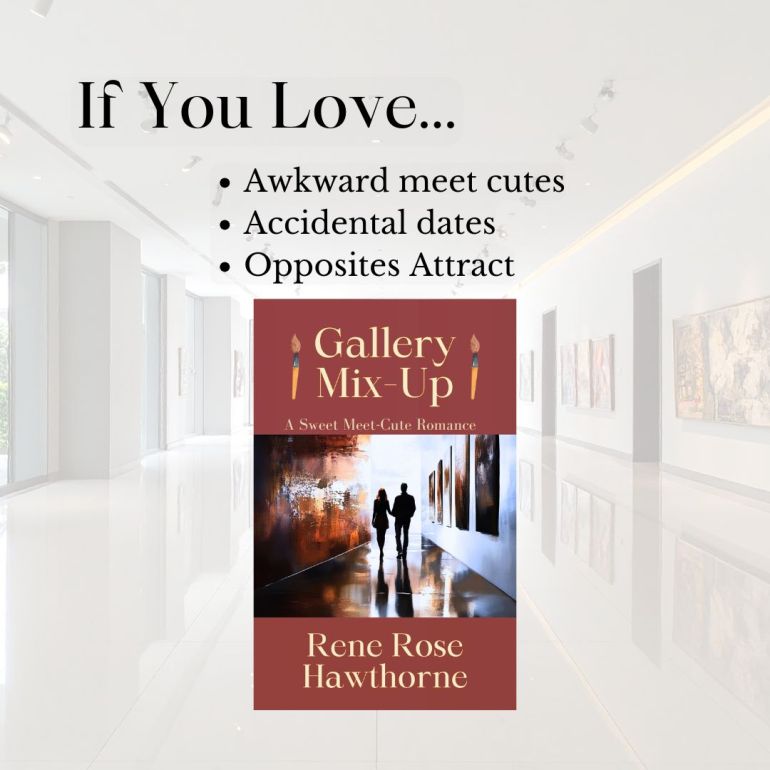
    In Gallery Mix-Up, the first meeting isnโ€™t carefully planned or elegant. Itโ€™s a little awkward, a little surprising, and completely unintentional.

    And thatโ€™s exactly what makes it special.

    Because awkward beginnings often lead to the best stories. When people start from a place of imperfection, it gives them room to discover each other honestlyโ€”without the pressure of being impressive or flawless.

    Sometimes the most romantic moments begin with a laugh, a misunderstanding, or a slightly uncomfortable silence.

    And sometimes those awkward beginnings turn into the start of something wonderful.

    Maya planned the perfect entrance.

    The perfect dress.
    The perfect moment.
    The perfect gallery opening.

    Thereโ€™s just one problemโ€ฆ

    She arrived twenty-four hours early.

    Sometimes the best romances begin with the wrong day, the wrong moment, and exactly the right person.

    Gallery Mix-Up
    A charming art-world meet-cute.

    Read it Here

    #MeetCuteRomance #ArtRomance #RomanceShortStory

  • When Accidental Meeting Turns Into Something More
    When Accidental Meeting Turns Into Something More

    Some of the best love stories begin completely by accident.

    A wrong turn.
    A mistimed arrival.
    A place you almost didnโ€™t go.

    Or in the case of an art galleryโ€ฆ a quiet room that was supposed to be empty.

    Thereโ€™s something wonderfully romantic about the idea that love sometimes finds us when we arenโ€™t looking for it. We make plans for our dayโ€”run errands, visit a museum, stop by an eventโ€”and suddenly the ordinary moment becomes the beginning of a story.

    Thatโ€™s one of the reasons I love the accidental meet-up trope so much.

    It carries a little bit of magic with it.

    Maybe thatโ€™s why it feels especially fitting around St. Patrickโ€™s Day, when people talk about luck, chance encounters, and unexpected good fortune. Sometimes love arrives the same wayโ€”quietly, unexpectedly, and completely unplanned.

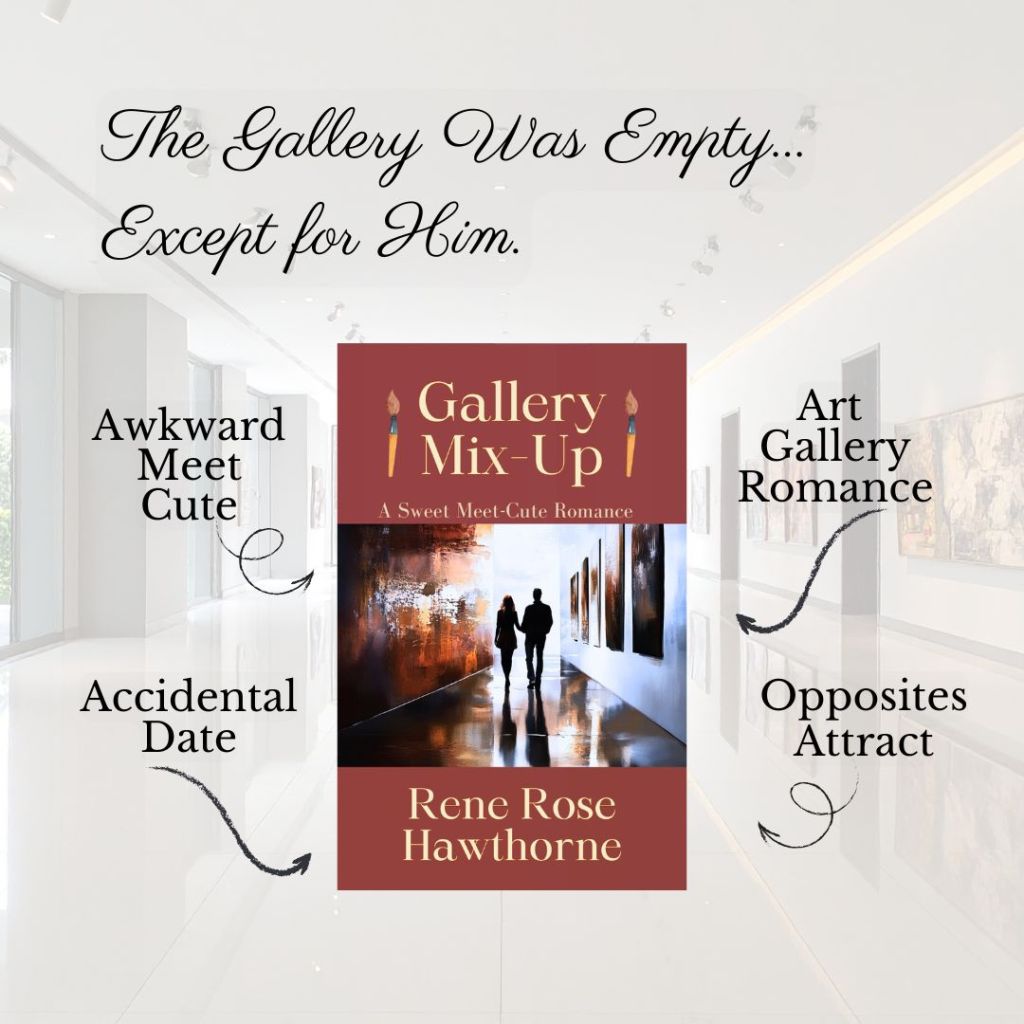
    In Gallery Mix-Up, the story begins with exactly that kind of moment. An empty gallery room becomes the setting for an awkward first meeting between two people who probably wouldnโ€™t have crossed paths otherwise.

    At first, itโ€™s a little uncomfortable.

    A little unexpected.

    But thatโ€™s often how real connections begin.

    Sometimes the most meaningful relationships donโ€™t come from carefully arranged plans or perfect timing. Instead, they grow from small momentsโ€”shared laughter, an accidental conversation, or the realization that someone else sees the world in a way that surprises you.

    Art galleries are perfect places for those kinds of moments. Standing quietly in front of a painting, two people might see completely different thingsโ€”or suddenly discover they see the same beauty in it.

    And that small connection can turn into something more.

    Maybe love isnโ€™t always about grand gestures or sweeping drama. Sometimes itโ€™s about the quiet luck of being in the right place at the right moment.

    A gallery visit you almost skipped.

    An accidental meeting.

    And the beginning of a story you never expected to find.
    Maya planned the perfect entrance.

    The perfect dress.
    The perfect moment.
    The perfect gallery opening.

    Thereโ€™s just one problemโ€ฆ

    She arrived twenty-four hours early.

    Sometimes the best romances begin with the wrong day, the wrong moment, and exactly the right person.

    Gallery Mix-Up
    A charming art-world meet-cute.

    Read it Here

    #MeetCuteRomance #ArtRomance #RomanceShortStory

  • The Beauty of a Quiet Love Story

    The Beauty of a Quiet Love Story

    Not every love story begins with fireworks.

    Sometimes it begins with a quiet moment.

    A shared melody drifting through a room.
    The soft rhythm of piano keys in the evening.
    Two people pausing long enough to notice each other.

    In many romance novels, love arrives in dramatic wavesโ€”grand gestures, intense conflicts, sweeping declarations. Those stories can be wonderful and exciting. But thereโ€™s another kind of romance that unfolds more gently.

    The quiet love story.

    These are the moments that feel almost ordinary at first glance. Two strangers sitting in the same room. A conversation that lingers longer than expected. A piece of music that creates a connection before words ever do.

    And yet, within those small moments, something extraordinary begins.

    Quiet romances remind us that love doesnโ€™t always have to shout to be powerful. Sometimes it whispers.

    A shared glance can mean more than a dramatic speech.
    A simple kindness can carry more weight than a grand gesture.
    A quiet evening can change a life.

    Thatโ€™s one of the things I love most about writing short, sweet romances like Piano Keys. In a single sitting, readers can step into a small moment of connectionโ€”one that might otherwise pass unnoticed in everyday life.

    The music in the story becomes more than background. It becomes a bridge between two people. A melody that invites them to listen, to pause, and to open their hearts to something new.

    Because sometimes love doesnโ€™t arrive like a storm.

    Sometimes it begins with a quiet moment,
    a shared melody,
    and the possibility of a beautiful story waiting to begin.

    Try Piano Keys: A Sweet Meet-Cute Artisan Romance.

    Some conversations happen in whispers.
    Some happen through music.

    When two strangers share a quiet moment at a piano, something unexpected begins to unfoldโ€”notes turning into connection, and silence into understanding.

    A luminous short romance about courage, music, and the fragile beauty of speaking what lives in your heart.

    ๐ŸŽน Piano Keys
    A sweet, emotional meet-cute romance.

    Read it Here!

    #MeetCute #SweetRomance #MusicRomance #ShortRomance #IndieRomance

  • What’s Coming in 2026

    What’s Coming in 2026

    As I look ahead to 2026, Iโ€™m holding plans gently.

    Rather than fixed promises or rigid timelines, Iโ€™m following creative threads that have proven meaningfulโ€”stories rooted in trust, transformation, and love that grows slowly and sincerely.

    Hereโ€™s a glimpse of what Iโ€™m hoping to explore next.


    A New Fantasy Romance Direction

    One of the stories calling most strongly is a fantasy romance series inspired by classic fairy talesโ€”including Cinderella, Beauty and the Beast, and other familiar stories reimagined with warmth, emotional depth, and character-centered romance.

    In these, I hope to explore:

    • transformation instead of enchantment alone
    • courage
    • intimacy built through choice

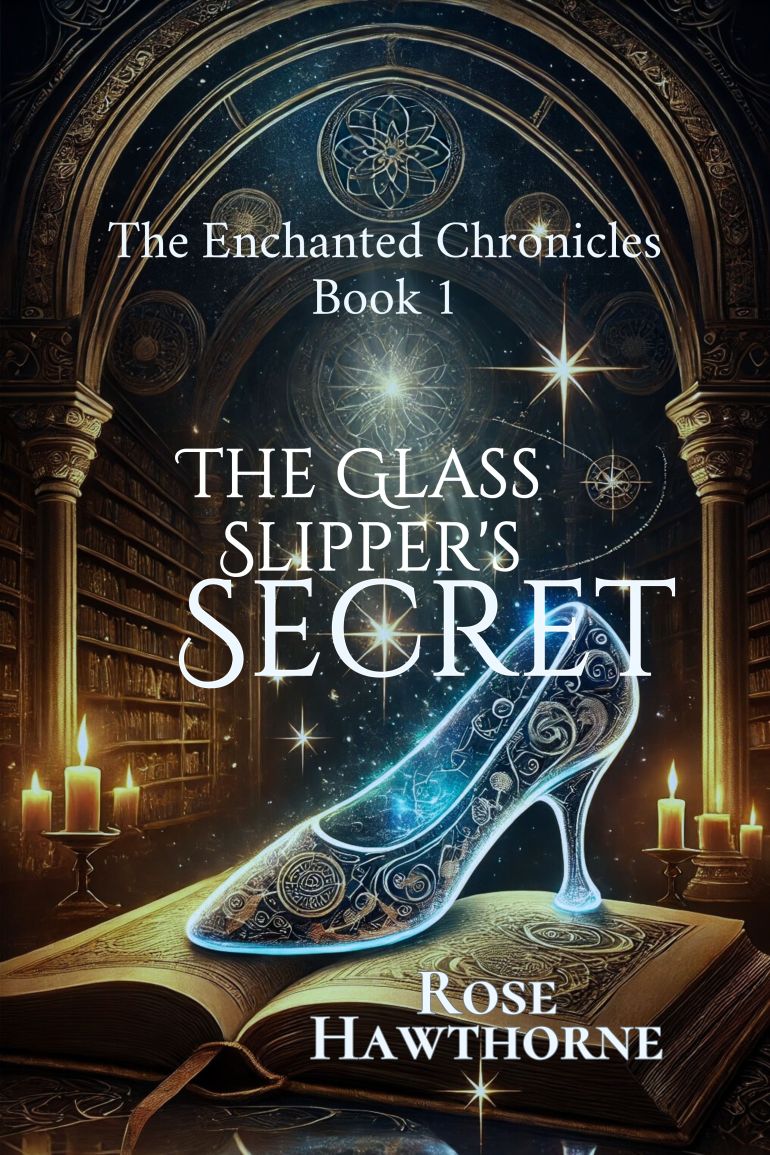
    Theyโ€™re stories about becoming in a world where light and love work together to shape kingdoms. The series will start with a Cinderella-inspired fantasy romance, The Glass Slipper’s Secret, currently building on Royal Road.


    A Return to Familiar Hearts

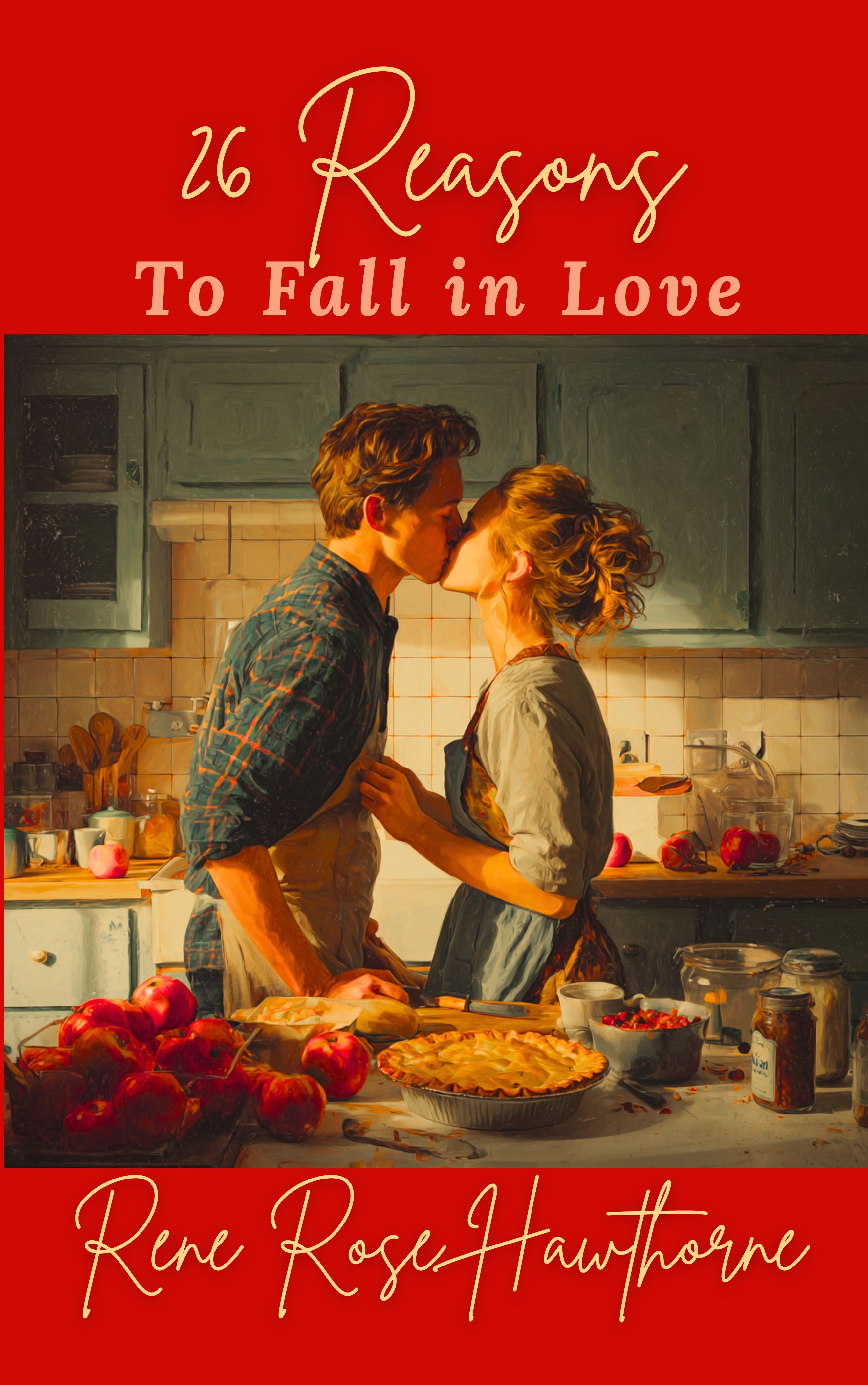
    In the fall, Iโ€™m planning to return to the world of 26 Reasons to Fall in Love, spending time again with Charles, Daphne, and the quiet, creative romance that grew pie by pie. Their story reminded me how powerful it can be to let love unfold gently, and I feel thereโ€™s still more to explore there.


    Letting the Romance Deepen in Fantasy

    The Dragon and The Ranger began as romantic fantasy, and in 2026 Iโ€™m hoping to revise it to lean more fully into romanceโ€”deepening emotional arcs, partnership, and the choices that bind two characters together.


    An Ongoing Promise

    Whatever shape these stories take, my hope for 2026 is simple:

    • to write romance that feels warm, earned, and hopeful
    • to honor patience over pressure
    • and to keep creating stories worth lingering in

    Thank you for being here as the next chapter unfolds.


    Frequently Asked Questions

    Will these stories be sweet romance?
    Yes. Whether contemporary or fantasy, my romances continue to focus on emotional intimacy, slow-burn attraction, and relationships rooted in trust, courage, and care.

    Are the fairy taleโ€“inspired stories retellings?
    Theyโ€™re inspired by classic fairy tales rather than strict retellings. Expect familiar emotional themesโ€”transformation, hope, belongingโ€”expressed through original characters and settings in the fantasy world I started with the short story, The First Light of Lumiare.

    Do I need to have read previous books first?
    No. New projects will be designed to stand alone, while returning characters will always include enough context for new readers to jump in comfortably.

    When will these books be released?
    Because these are soft goals rather than fixed deadlines, dates will be shared only when stories are ready. The best way to stay updated is through the newsletter.

    Will there be more artisan romance?
    Yes. Creativity, craft, and quiet connection continue to be central themesโ€”especially when I revisit familiar characters.


    If you are interested in reading my work, head to the links in the menu section, or check out The Glass Slipper’s Secret chapters at Royal Road.

  • Happy New Year! Celebrating a Return to Romance in 2025 and a Free Book

    Happy New Year! Celebrating a Return to Romance in 2025 and a Free Book

    A New Year and a Quiet Return to Romance

    Every new year invites reflection, but sometimes the real story isnโ€™t about resolutions. Itโ€™s about return.

    For me, 2025 has been an unexpectedly meaningful year as an author. Not because everything was new, but because something I once walked away from found its way back.

    Romance.


    The First Time I Tried to Write Romance

    The first romance I ever wrote was in seventh grade.

    It was intensely confessional. Earnest. Vulnerable. A handwritten declaration of a crush on a boy at my schoolโ€”one I never intended anyone else to see.

    Unfortunately, someone did see it.

    A โ€œfriendโ€ took my notebook, passed it around, and by the time it made its way back to me, the damage was done. I threw out the notebookโ€”and that storyโ€”as quickly as I could.

    I didnโ€™t just stop writing romance after that.
    I stopped writing anything romantic.

    For a very long time.


    A Reader Before a Writer (Again)

    What does this have to do with the New Year?

    New years often invite honesty. And honesty means acknowledging where weโ€™ve been before we decide where weโ€™re going next.

    About five years ago, I began to realize something quietly: I loved reading romance. I returned to it first as a readerโ€”curious, comforted, inspired. A handful of books, especially gentle, character-driven romances, reminded me what the genre could be.

    Not embarrassment.
    Not exposure.
    But tenderness, hope, and courage.

    Still, writing romance felt like a stretch.

    So I took a side road.


    Finding My Way Through Romantic Fantasy

    Before writing contemporary romance, I eased back in through familiar terrainโ€”fantasy.

    On Kindle Vella, I began writing The Dragon and The Ranger, a romantic fantasy series Iโ€™m now revising and continuing on Royal Road, with hopes of bringing it to ebook and paperback in 2026. It gave me room to explore connection, longing, and partnership behind the protection of magic, swords, and non-modern settings.

    Then a romance writer kindlyโ€”and accuratelyโ€”named something important for me:

    The Dragon and The Ranger wasnโ€™t romance.

    It was romantic fantasy.

    And that distinction mattered.


    Stretching Into Contemporary Romance

    If I wanted to grow as a romance writer, I needed to write romance without armor. No dragons. No enchanted barriers. Just people.

    So I gave myself a small, safe challenge:
    short contemporary romance stories.

    Meet-cutes. Quiet moments. Gentle risks.

    Last spring, I released my first short romance, Rain Check. I had so much fun writing it that I immediately wrote five moreโ€”and sketched ideas for a dozen.

    Somewhere along the way, something shifted.

    The stories stopped being just about strangers meeting. They became stories about artists, makers, and creatorsโ€”bakers, sculptors, photographers, mechanics learning to knit. People who communicate through craft when words fail.

    Art became the bridge.
    Creation became the language.
    Romance became the reward.

    And without realizing it, I had returned to the genre I once abandonedโ€”this time on my own terms.


    What This Has to Do With the New Year

    The New Year doesnโ€™t always ask us to reinvent ourselves.

    Sometimes it asks us to reclaim something we laid down long agoโ€”not because it was wrong, but because we werenโ€™t ready yet.

    Writing contemporary romance in 2025 has been less about starting over and more about coming home. About offering tenderness where there was once silence. About trusting that some stories deserve a second chance.

    Including the ones we tell ourselves.

    As we move into a new year, Iโ€™m grateful for readers, for encouragement, and for the long arc that led me here. And Iโ€™m excited to keep exploring romance.

    One story at a time.


    A FREE Book for a Happy New Year!

    What’s the best way to celebrate New Year’s?

    You could go out and go dancing. Yes, that’s fun!

    But also, you could curl up with a sweet romance.

    True, this sweet romance starts on Halloween, so it isn’t quite set on New Year’s, but it is FREE, and it does involve a sweet meet-cute at a costumed community event. The book will be free December 31st through January 1st.

    Kiss or Treat Book Cover Image, a couple kissing with a fall background

    Kiss or Treat into Love

    When the Maple Street fall festival turns the neighborhood into a river of lights and laughter, art teacher Hailey is there with paint-spattered sleeves, a booth full of tiny watercolors, and a heart sheโ€™s still mending.

    Enter Jackโ€”a Navy photographer with steady hands, a soft smile, and a way of noticing the quiet good. He comes to help for one eveningโ€ฆ and ends up fitting into every corner of Haileyโ€™s life.

    From a bonfire with friends and cider-steam in the air, to a slow dance that steadies more than footsteps, to pizza night where sketches and photographs trade stories, Hailey and Jack learn the tender art of going slowโ€”on purpose.

    Together, they discover how love grows in small acts: a fixed game, a shared joke, a promise kept.

    Get Kiss or Treat for FREE!

    Note: this is a Universal Link for all readers and will go through a Bookfunnel site that will not say “free,” but once you click through, readers will find the book FREE on Amazon.

    Direct Amazon US-only Link

    Happy New Year’s!!!

  • Writer’s Corner: Shared Creation in Romance and Wishing you a Merry Christmas

    Writer’s Corner: Shared Creation in Romance and Wishing you a Merry Christmas

    Shared Creation: Building Something Together as Intimacy

    Some love stories are told in words.

    Others are told in what is madeโ€”
    recipe by recipe,
    hour by hour,
    side by side.

    In sweet romance, shared creation is one of the most powerful paths to intimacy. When characters build something together, attraction grows naturally. Trust forms quietly. And love becomes something practiced long before it is declared.


    Twenty-Six Pies, One Love Letter: 26 Reasons to Fall in Love

    In 26 Reasons to Fall in Love, Charles Rivera knows how to follow instructions. Recipes make sense. Ingredients behave. Results can be measured.

    Love, however, does not.

    Fresh out of the Army and rebuilding his life through ceramics, baking, and routine, Charles harbors quiet feelings for Daphneโ€”the photographer who documents life with curiosity and care. When an offhand conversation sparks an ideaโ€”baking twenty-six pies in November, one for every letter of the alphabetโ€”Charles sees a way forward.

    Not through speeches.
    Not through pressure.
    But through creation.

    Each pie becomes a sentence in a love letter he isnโ€™t yet brave enough to say aloud. As Daphne photographs the project, their collaboration deepens into late nights, shared laughter, and moments of recognition. Building something together creates emotional proximity. Being witnessedโ€”without judgmentโ€”becomes intimacy.

    What makes the romance unmistakable is choice. Charles doesnโ€™t bake for attention. He bakes for her. Daphne doesnโ€™t simply observe; she engages. Attraction grows because both of them show upโ€”consistently, vulnerably, side by side.


    Love Proven in Action: Persuasion

    Jane Austenโ€™s Persuasion is one of literatureโ€™s finest examples of love revealed through endurance and deliberate action.

    Captain Wentworth loves Anne Elliot not through grand gestures, but through constancy. Time. Growth. Choice.

    One line says everything:

    โ€œYou pierce my soul.โ€

    Though brief, the power of that declaration lies in what precedes it: years of restraint, self-improvement, and shared social space where love survives without entitlement.

    26 Reasons to Fall in Love echoes this truth. Charlesโ€™s devotion is visible long before it is spoken. Love is demonstrated through follow-throughโ€”through finishing what he starts, and through allowing Daphne into the process.

    In sweet romance, this kind of proof matters. Creation becomes a language of devotion.


    Witnessing as Love: Julie & Julia

    In Julie & Julia, a creative challenge transforms not only Julieโ€™s confidence, but her marriage. What matters most isnโ€™t the cookingโ€”itโ€™s the witnessing.

    Someone sees the effort.
    Someone encourages persistence.
    Someone believes the project is worth finishing.

    That dynamic mirrors Charles and Daphneโ€™s relationship. Collaboration doesnโ€™t flatten attractionโ€”it sharpens it. Love deepens because one personโ€™s courage is held by anotherโ€™s attention.

    Shared creation invites romance because it removes performance. Whatโ€™s left is sincerity.


    Why Shared Creation Is So Romantic

    Building something together creates:

    • Proximity without pressure
    • Vulnerability without exposure
    • Commitment without control

    Romance emerges not because characters talk about loveโ€”but because they practice it.

    In sweet romance especially, this allows attraction to feel earned. Projects end. Feelings donโ€™t. And when the making stops, characters must finally face what theyโ€™ve built between them.


    Writing Prompts for Romance Authors

    1. Give your characters a creative challenge with a clear end date. What fears surface as the deadline approaches?
    2. Let one character document the otherโ€™s project. What do they notice firstโ€”and what do they fall in love with?
    3. Write a scene where the project nearly fails. How does love respond?
    4. Replace a declaration scene with a moment of quiet completion.
    5. Write the moment when the project endsโ€”and feelings must be spoken at last.

    Craft Tips: Using Shared Creation in Sweet Romance

    • Make the project finite (deadlines create emotional stakes)
    • Let attraction grow
    • Use sensory detail to ground intimacy
    • Allow silence while hands are busy
    • Let love be revealed before it is named

    If you liked this post, you might like 26 Reasons to Fall in Love, and it is FREE for e-book Kindle readers for a limited time between December 24-27. It is also available in paperback and hardback at stores like Barnes & Noble, Walmart, and Amazon.

    Merry Christmas!

  • Work as Craft: When Everyday Creation Becomes Love

    Work as Craft: When Everyday Creation Becomes Love

    Creation Over Competition: Sweet Warmth

    In Sweet Warmth, Callie Morgan has already built her sanctuary.

    Her chocolate shopโ€”warm, amber-lit, filled with vintage mugs and the scent of memoryโ€”is more than a business. Itโ€™s an inheritance of love, a legacy passed down through her grandmotherโ€™s treasured hot chocolate recipe. It is stability, identity, and heart.

    Then the blizzard comes.

    Daniel, a pastry chef scouting locations for a future bakery, arrives not as a rival but as a man brought low by circumstance: stranded, disconnected, and unexpectedly in need. Over steaming mugs of chocolate and flickering candlelight, something gentle unfolds.

    They could compete.
    Instead, they listen.

    As Callie and Daniel talk shopโ€”recipes, techniques, dreamsโ€”they discover that creativity doesnโ€™t have to divide. Their ideas blend beautifully. Chocolate and pastry. Warmth and structure. Care and precision.

    Their romance grows not out of grand gestures, but out of mutual respect for each otherโ€™s craft. Their work reveals who they are. And love follows naturally.


    Food as Emotion and Memory: Like Water for Chocolate

    Laura Esquivelโ€™s Like Water for Chocolate takes the idea even deeper: food as the direct language of emotion.

    Every dish carries intention, longing, grief, and love. Recipes become ritual. Cooking becomes storytelling. What characters cannot say aloud is expressed through taste, scent, and shared meals.

    In this novel, craft is inseparable from feeling. Food is not backgroundโ€”it is the conduit for connection. Love literally passes from one heart to another through creation.

    In Sweet Warmth, we see the same quiet truth: what Callie pours into her chocolate, and what Daniel pours into his baking, is not just skillโ€”itโ€™s care. And care is the foundation of love.


    The Film Pairing: Chocolat (2000)

    If Sweet Warmth had a cinematic cousin, it would be Chocolat.

    Set in a small, tradition-bound village, the film shows how foodโ€”and the act of making itโ€”softens rigid hearts. Chocolate becomes invitation. A shop becomes a gathering place. Craft becomes community.

    Like Callie, Chocolatโ€™s heroine isnโ€™t trying to change people. She simply offers warmth. And warmth, given consistently and sincerely, transforms lives.

    Key connective thread:
    Creation that welcomes others reshapes both the creator and the world around them.


    Why Craft Works So Well in Romance

    Craft-based romance works because it is embodied.

    • Hands are busy
    • Focus is shared
    • Vulnerability arrives sideways

    People reveal themselves through what they makeโ€”and how they make it. Respect grows. Trust follows. Love doesnโ€™t feel forced because it isnโ€™t rushed.

    Craft allows romance to rise naturally out of competence, care, and collaboration.


    Writing Prompts & Craft Notes for Romance Authors

    Writing Prompts

    1. Two artisans meet in a moment of disruption (weather, equipment failure, supply shortage). What do they make together?
    2. Write a scene where competition almost happensโ€”but cooperation changes everything.
    3. Let a family recipe or inherited skill create both comfort and conflict.
    4. Show attraction growing through professional admiration rather than flirtation.
    5. Write a first kiss that happens because a task is finishedโ€”not because words run out.

    Craft Tips

    • Let work reveal values
    • Use sensory detail generously
    • Show learning and adjustment
    • Allow collaboration to replace rivalry
    • Let the romance deepen as the craft deepens

  • Story and Art as Healing: How Making Together Rebuilds Hearts

    Story and Art as Healing: How Making Together Rebuilds Hearts

    Story And Art as Healing: How Making Together Rebuilds Hearts

    There are wounds that donโ€™t respond to advice.

    They live in the body.
    They surface in silence.
    They resist being named.

    In stories like these, healing doesnโ€™t arrive with speeches or solutions. It comes quietlyโ€”through rhythm, repetition, shared space, and the gentle permission to create again.

    Stories, crafts, and community donโ€™t erase pain.
    They give pain a place to rest.


    Purls of Love

    In Purls of Love, a veteran mechanic begins knitting not because he dreams of becoming an artistโ€”but because he needs something to steady his hands and quiet his thoughts.

    Knitting becomes therapy.
    Then routine.
    Then refuge.

    With the help of a knitter who understands both patience and pain, he learns that creation doesnโ€™t require perfectionโ€”only presence. Yarn moves through his fingers. Stories emerge between stitches. Slowly, what began as private healing grows outward.

    Together, they imagine something more: a knitting group, a gathering place, a way to invite others into connection when loneliness has felt like the default.

    Love in this story doesnโ€™t rush in to โ€œfixโ€ anything.
    It grows alongside healing.
    It respects the pace of restoration.

    And that may be the most romantic thing of all.


    Stories That Find Usโ€”and Each Other:

    The Guernsey Literary and Potato Peel Pie Society**

    In The Guernsey Literary and Potato Peel Pie Society, romance grows not in spite of hardship, but through the shared act of storytelling. Born from wartime scarcity and lingering grief, the literary society becomes a place where people are allowed to tell the truthโ€”slowly, imperfectly, and together.

    One line captures the heart of both the story and its romance:
    โ€œPerhaps there is some secret sort of homing instinct in books that brings them to their perfect readers.โ€

    That quiet observation applies just as well to love.

    Through letters, books, and long conversations shaped by mutual curiosity, characters begin to recognize one anotherโ€”not through dramatic gestures, but through attentiveness. Stories open emotional doors that survival had closed. As grief is shared and understood, attraction becomes possible, grounded not in urgency, but in trust.

    The romance in Guernsey unfolds through witness. To be readโ€”to have oneโ€™s story welcomed and rememberedโ€”is a deeply romantic act. Love arrives not as rescue, but as companionship: a choice made after understanding has taken root.

    For writers of sweet romance, Guernsey offers a powerful reminder: when characters are drawn together by shared meaning and story, love can feel both inevitable and earned.


    Why Storytelling and Art Heals in Romance

    Stories and art heal in romance because they slow us down.

    They give:

    • Structure without pressure
    • Expression without exposure
    • Community without demands

    They allow charactersโ€”and readersโ€”to sit with pain long enough for hope to arrive naturally.

    When love enters these healing stories, it does so gently. Respectfully. Not as rescue, but as companionship.


    Writing Prompts & Craft Notes for Romance Authors

    Writing Prompts

    1. Write a scene where a character learns a craft or skill strictly for survivalโ€”and discovers connection instead.
    2. Create a shared group (book club, crafting circle, repair shop, cafรฉ table) and let love grow on the edges.
    3. Let healing come through repetition rather than revelation.
    4. Write dialogue that happens while hands are busy making something.
    5. Let romance wait until healing feels rooted, not rushed

    Craft Tips

    • Allow silence to matter
    • Show care through action
    • Let community be character
    • Honor slow pacing
    • Treat healing as nonlinear

    If you liked this post, you might like my short story, Purls of Love.

  • Art as Lifeblood: How Creativity Restores Hearts and Stories

    Art as Lifeblood: How Creativity Restores Hearts and Stories

    Some stories donโ€™t begin with romance.
    They begin with stillness.

    A closed heart.
    A guarded life.
    A person who has learned to surviveโ€”but not quite to feel.

    Again and again, across literature and film, art enters stories not as decoration, but as lifeblood. Creativity awakens what grief, fear, routine, or loss has pushed aside. It restores wonder. It creates connection. And, often, it makes love possible.

    That truth sits at the heart of so many beloved romantic storiesโ€”including one very dear to me.


    When Art Opens the Door to Trust: Sculpted Chance

    In my short romance Sculpted Chance, a businessman falls in love with a sculptorโ€”but the romance itself isnโ€™t the first transformation.

    At the beginning of the story, he is emotionally restrained, cautious from past wounds, and structured by a world where control equals safety. Art unsettles him. It doesnโ€™t demand; it invites. Through the sculptorโ€™s workโ€”and through watching creation happenโ€”he begins to remember something long buried: the instinct to imagine, to feel, to create.

    As he slowly discovers that he may be an artist himself after all, love becomes possible not because someone persuades him to trustโ€”but because creativity teaches him how.

    Art doesnโ€™t fix him.
    It reintroduces him to himself.

    That same pattern echoes through many of our most enduring romantic stories.


    Beauty as Awakening: A Room with a View

    E. M. Forsterโ€™s A Room with a View is, at its core, a story about beauty breaking through polite suffocation.

    Lucy Honeychurch lives by expectationโ€”social rules, proper matches, appropriate feeling. Art, music, travel, and the sensory richness of Italy awaken something in her that cannot be tucked neatly back into place. Beauty forces her to notice her own heart.

    Art in Forsterโ€™s novel isnโ€™t loud or dramatic. Itโ€™s atmosphericโ€”architecture, landscapes, music, the quiet permission to feel deeply. And that permission changes everything.

    Like the hero in Sculpted Chance, Lucy doesnโ€™t gain courage through argument or logic. She gains it through experience. Through beauty. Through attention.

    Art teaches her that a life without passion is not safetyโ€”itโ€™s absence.


    Creation as Connection: Ghost

    Few films capture the intimacy of creation as memorably as Ghost (1990).

    The pottery scene is iconic not merely because it is romantic, but because it shows art as shared vulnerability. Hands shaping clay together become a language beyond words. Trust is built not through promises, but through presence. Creativity becomes communion.

    Even after loss, art remains the bridgeโ€”between love and grief, memory and hope, the seen and the unseen. Creation holds what cannot be held any other way.

    In Ghost, art doesnโ€™t erase pain. It gives pain somewhere to go.


    Why Romance Needs Art

    Romance thrives when characters are becoming more fully themselves.

    Artโ€”whether sculpting, music, architecture, cooking, writing, or simple acts of creativityโ€”signals growth. It slows characters down. It invites attention. It allows transformation without speeches or declarations.

    Art lets love arrive naturally, because the heart has already been opened.

    That is why creative acts appear again and again in romantic storytelling. They are believable catalysts. They show change rather than announce it. And they remind us that love is not something we manufactureโ€”itโ€™s something we make room for.


    An Invitation

    Whether you are a reader, a writer, or simply someone who has forgotten the quiet joy of making something beautiful, stories remind us of this:

    Art is not a luxury.
    It is lifeblood.

    It restores hearts.
    It opens stories.
    And sometimes, it teaches us how to love again.


    Writing Prompts & Craft Tips for Romance Authors

    Writing Prompts

    1. Write a meet-cute where the first real connection happens through a shared creative momentโ€”not conversation.
    2. Give a guarded character an artistic instinct theyโ€™ve denied. What awakens it?
    3. Write a scene where hands create something togetherโ€”food, art, repairs. What emotions surface?
    4. Let art be the reason a character finally speaks the truth.
    5. What happens when a characterโ€™s creative work is misunderstoodโ€”and how does love respond?

    Craft Tips

    • Use art as action, not exposition
    • Let creativity reveal vulnerability
    • Tie creative acts to emotional turning points
    • Avoid perfectionโ€”art works best when messy and human

    If you liked this post, you might like Sculpted Chance or other stories in my Artisan Romance Series.

  • Writer’s Corner: Cozy Settings that Carry Emotional Weight

    Writer’s Corner: Cozy Settings that Carry Emotional Weight

    Practical craft notes for romance writers

    Cozy settings donโ€™t work because theyโ€™re charming. They work because they hold emotional meaning.

    A kitchen, a coffee shop, or a living room becomes powerful in fiction when it reflects routine, values, and change. In sweet romanceโ€”especially holiday romanceโ€”settings often do the quiet work of deepening connection before the characters realize whatโ€™s happening.

    Here are a few practical ways to make setting pull its emotional weight.


    1. Let Cold Weather Narrow the Scene

    Winter is useful because it reduces options.

    Characters donโ€™t wander as much. They linger. They make intentional choices about where to be and with whom. Rather than describing the cold itself, focus on its effect:

    • Who invites someone inside?
    • Who stays longer than planned?
    • Who begins to associate warmth with a particular person?

    Setting isnโ€™t about weatherโ€”itโ€™s about response.


    2. Use Familiar Spaces to Reveal Character Values

    Familiar places show us who people are when they arenโ€™t trying.

    A kitchen can reveal:

    • comfort with hospitality (or discomfort with it)
    • routines shaped by family or history
    • whether a character fills silence or lets it stand

    A coffee shop can function as:

    • neutral ground
    • a halfway step toward intimacy
    • a ritual that slowly becomes personal

    Choose settings your characters return to, then let repetition do the emotional work.


    3. Describe Function, Not Furniture

    Readers remember how a place feels to use, not how itโ€™s decorated.

    Instead of listing details, anchor descriptions to action:

    • where coats are placed
    • who pours the coffee
    • how quickly someone moves or stills

    Settings gain texture through movement, habit, and use.


    4. Let Setting Change as the Relationship Changes

    Settings should evolve alongside emotional stakes.

    A place that once felt practical may later feel intimateโ€”or vulnerable. A neutral location may become charged with expectation. These shifts donโ€™t need to be announced. Let them show up subtly:

    • a pause before entering
    • a longer goodbye
    • an awareness that the space feels different now

    When setting reflects emotional growth, the romance feels grounded.


    5. Use Writing Exercises to Deepen Awareness (Not Just Drafts)

    You donโ€™t need to publish every scene you write.

    Try drafting:

    • a scene where your POV character notices a shared space differently because someone else matters now
    • a paragraph where the setting observes patterns or changes over time

    These versions are tools. Their job is clarity, not perfection.


    Final Craft Takeaway

    Cozy settings work best when theyโ€™re treated as emotional containersโ€”spaces where trust, presence, and affection can slowly take root.

    In sweet romance, love often grows where characters feel safe enough to stay.


    Optional Writing Prompts for Writers

    Prompt 1: Character-Focused Setting Shift
    Rewrite a quiet scene and ask:
    What does my character notice now that they wouldnโ€™t have noticed before this relationship mattered?

    Prompt 2: Place-as-Observer (Draft Only)
    Write 200 words where the setting notices consistency, hesitation, or change over time.
    Cut it later if neededโ€”but keep what you learn.


    If youโ€™d like, this post pairs well with 26 Reasons to Fall in Love, a holiday sweet romance where kitchens, coffee shops, and shared traditions slowly become spaces of connection.