-
Festival Romance: Where Magic Happens
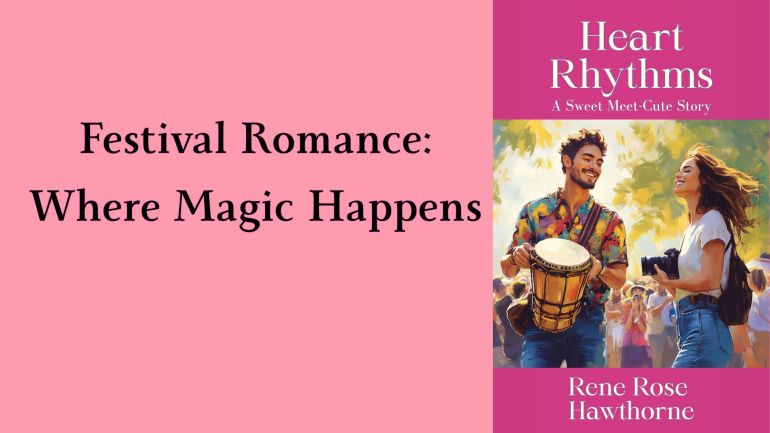
Is there anything more romantic than falling in love at a festival? The music, the energy, the sense that anything could happen—festivals are natural romance magnets, and my latest book proves why.
In “Heart Rhythms,” Joseph and Sage meet when his djembe rhythms catch her photographer’s eye at a local arts festival. Between the scent of funnel cake and the sound of competing musicians, they discover an instant connection that goes deeper than attraction. They see something in each other that the rest of the world misses.
Festival settings are perfect for romance because they strip away pretense. No fancy restaurants or staged first dates—just two people being authentically themselves in a space designed for creativity and joy. When Joseph’s mathematical mind creates polyrhythms that make Sage’s heart race, we see how festivals reveal our truest selves.
Their story continues when they volunteer for Art in the Park, proving that some connections are strong enough to survive beyond the magical bubble of a weekend festival. Sometimes all it takes is the right music, the right moment, and the courage to let someone see who you really are.
Dancing, drumming, and finding your perfect match.
Read “Heart Rhythms” this Friday!

-
Why Opposites Attract Romance
Why Opposites Attract Romance Never Gets Old
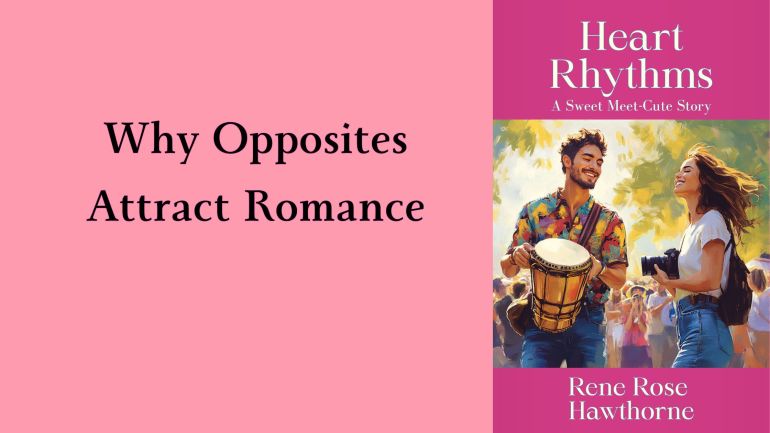
There’s something irresistible about watching two completely different people discover they’re perfect for each other. In my latest contemporary romance, accountant Joseph and electrician Sage prove that opposites don’t just attract—they create magic.
Joseph spends his days with spreadsheets but comes alive drumming djembe rhythms at local festivals. Sage wires houses by day and captures light through her camera lens by night. When they meet over polyrhythms and lemonade, sparks fly in the most unexpected way.
What I love about opposites attract stories is how they show us that our differences aren’t obstacles—they’re opportunities. Joseph’s mathematical mind creates the most beautiful music. Sage’s technical knowledge of electricity helps her master the art of photography. Together, they discover that creativity and logic aren’t enemies; they’re dance partners.
Sometimes the person who seems least like us turns out to be exactly what our heart has been seeking. Joseph and Sage’s story reminds us that love, like music, is all about finding harmony in the unexpected places.
Available this Friday on Amazon.
-
Community & Summer Camp Magic with Romance
Where Creativity Blooms and Hearts Connect
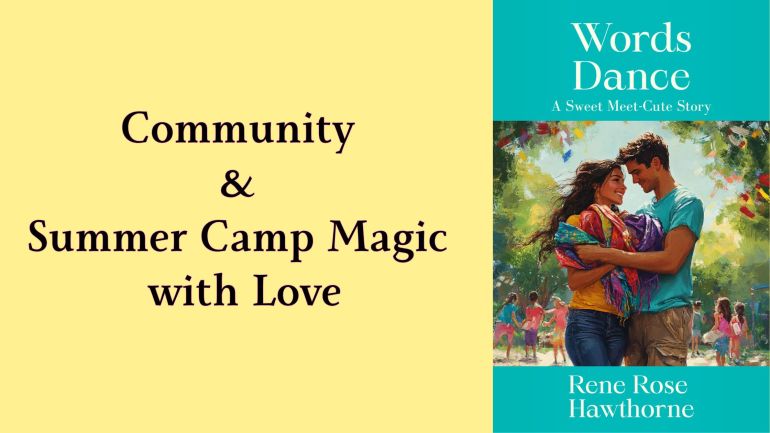
Camp Wildwood isn’t just a place—it’s a community where magic happens daily. Children gather under willow trees for poetry lessons, leap and spin across sun-dappled grass in dance classes, and discover that art exists everywhere if you know how to look.
There’s something special about summer camp settings that brings out the best in everyone. The shared purpose of nurturing young creativity, the outdoor classrooms where learning feels like play, the way different art forms naturally weave together when creative people gather.
In my short story, “Words Dance,” Taylor and Devin find each other in this perfect environment where teaching and creating aren’t separate callings but parts of the same beautiful whole. Their students inspire them—kids who see maple leaves as fairy dance floors and write poems about songs from music time.
The camp becomes the catalyst for their “Art in the Park” project, a community showcase that celebrates what happens when artists support each other. Because the best creativity happens in community, where different voices harmonize into something larger than themselves.
Discover the magic of Camp Wildwood and the love that blooms there.
Read Words Dance today!

-
Words Dance Book Release
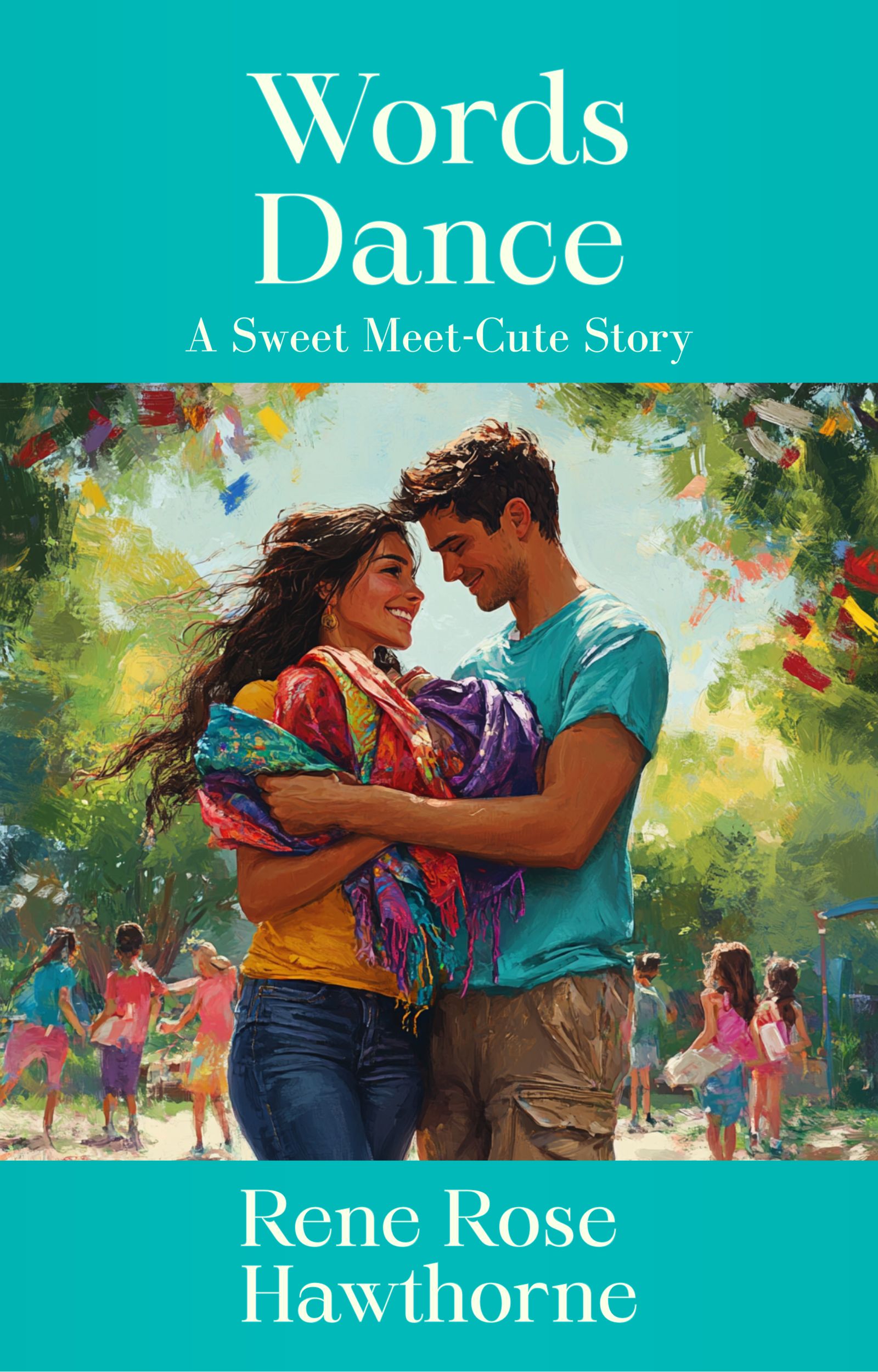
Today is the day that Words Dance is released into the world as a short story ebook!
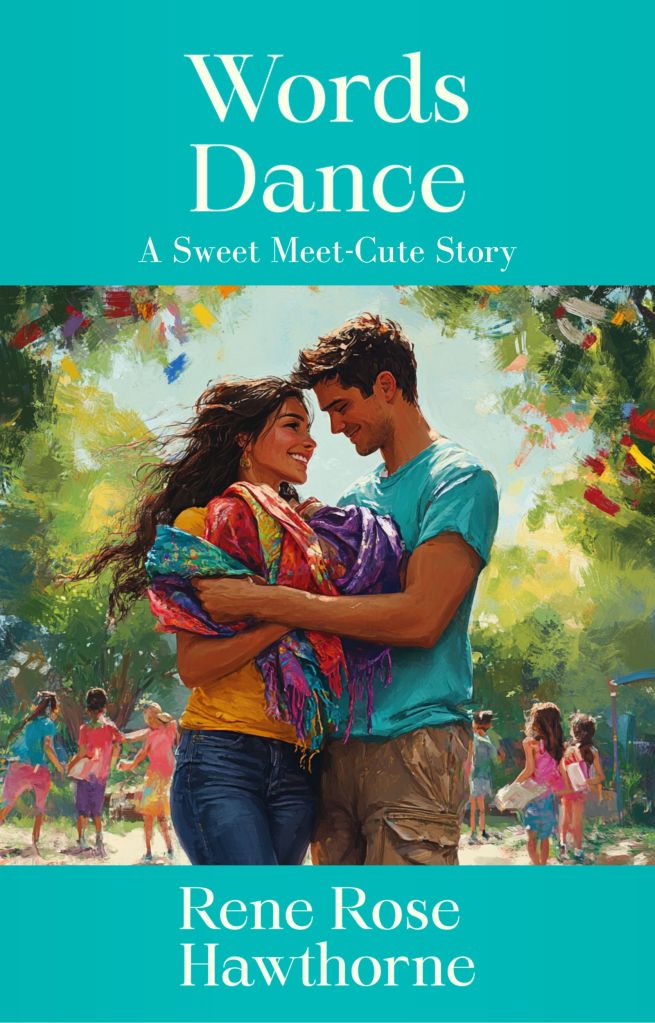
When two artists collide at summer camp, sparks fly in this heartwarming sweet romance.
Taylor teaches dance to energetic children at Camp Wildwood, pouring her heart into every movement class. Devin leads quiet poetry sessions under the willow tree, inspiring kids to see magic in nature. When a scattered scarf brings them together, neither expects to find their perfect creative match.
This charming artist romance blooms against the backdrop of golden summer afternoons and children’s laughter. Taylor, a passionate dance teacher struggling to perfect her seasonal choreography, discovers that Devin’s gentle way with words mirrors her own artistic soul. The poetry romance unfolds as they plan “Art in the Park”—a community showcase that becomes much more than either imagined.
From coffee shop brainstorming sessions to secret riverside meetings, their connection deepens with every shared dream. This tender summer love story celebrates the magic that happens when two creative hearts recognize their perfect harmony.
Perfect for readers who love:
- Sweet romance with genuine emotion
- Artist and teacher characters
- Camp romance settings
- Creative love stories
- Gentle, heartwarming relationships
- Community and collaboration themes
A beautifully written contemporary romance that proves the best collaborations begin with scattered scarves and end with breathless kisses under the stars.
“Two artists who had found their perfect harmony. Different instruments playing the same beautiful song.”
Read it via Amazon today! Listen to it on Youtube and Rumble tomorrow. 🙂
-
When Two Artists Find Their Perfect Harmony

When Two Artists Find Their Perfect Harmony
What happens when two creative souls collide? When a dancer meets a poet, when movement finds words, when two different art forms discover they’ve been speaking the same language all along?
Taylor and Devin’s story celebrates the unique bond between artists—that recognition of kindred spirits who understand the drive to create, to teach, to share beauty with the world. They both know the struggle of balancing practical needs with artistic dreams, of finding meaning in both solitude and community.
Their collaboration on “Art in the Park” becomes a metaphor for their relationship itself. Two separate art forms creating something neither could achieve alone. Like poetry and dance. Like rhythm and words. Like two people who complement each other perfectly.
Creative love isn’t just about shared interests—it’s about understanding the soul of someone who sees the world through an artistic lens. It’s about supporting each other’s dreams while building new ones together.
As Devin writes in his poem: “Two become one symphony, different notes in harmony.”
Experience the magic of creative love in their story.
-
Summer Love Under Golden Skies
When the Season of Dreams Brings Two Hearts Together
Summer has a way of making everything feel possible. The long golden afternoons, the scent of honeysuckle in the air, the way evening light filters through oak trees—there’s magic in those warm months that seems to whisper of new beginnings.
Taylor and Devin’s love story unfolds against this perfect summer backdrop. From scattered scarves on sun-warmed grass to coffee shop conversations that stretch into the evening, their romance blooms like the flowers pressed between Devin’s poetry pages.
There’s something special about summer love—it feels both timeless and urgent, like catching fireflies in mason jars. The season gives them golden light for dance classes and quiet riverside spots for sharing secret dreams. Even the mockingbird singing in the trees seems to celebrate their growing connection.
Their first kiss tastes like coffee and possibility, like summer evenings and shared dreams. It’s the kind of romance that makes you believe in magic again, in the power of a single season to change everything.
Let their summer love story warm your heart.
-
Poetry, Dance, and Love
When Words Find Their Perfect Dance Partner
Devin carries a notebook filled with pressed flowers and careful handwriting. He’s the quiet poetry teacher who gathers children under willow trees, helping them discover that every leaf tells a story if you know how to listen.
Poetry often gets overlooked in our fast-paced world, but there’s something timeless about finding beauty in the everyday—holes in maple leaves becoming windows to the sky, or tiny fairies dancing on petals. Devin’s gentle approach to teaching shows how poetry can transform the ordinary into something magical.
When he meets Taylor, a passionate dance instructor, he discovers that movement and words share the same heartbeat. Her dance tells stories without words; his poetry has rhythm and flow. They’re creating art in different languages, but speaking to the same human need for expression and connection.
Their collaboration on “Art in the Park” becomes more than a community project—it’s a love letter to creativity itself. Because sometimes the most beautiful poetry isn’t written on paper; it’s lived between two people who understand that art, like love, is meant to be shared.
Discover their love story today.
-
The Dance of Love
When Movement Meets the Heart
There’s something magical about watching someone who truly loves what they do. in my short story, “Words Dance,” Taylor, the dance teacher in our latest story, embodies this passion as she guides twenty energetic children through movement classes under the golden afternoon sun.
Dance isn’t just about steps and rhythm—it’s about expression, transformation, and finding your voice through movement. Taylor sees her students evolve from shy and awkward to bold and expressive, reminding her why she fell in love with dance in the first place.
But what happens when a dancer meets someone who speaks the same creative language in a different form? When Taylor encounters Devin, a gentle poet who sees magic in maple leaves, she discovers that words can dance just as beautifully as bodies.
Their story unfolds like a perfectly choreographed piece—tentative at first, then building to something breathtaking. Because sometimes the best partnerships happen when two artists recognize the rhythm in each other’s souls.
Ready to fall in love with Taylor and Devin’s story? Read “Words Dance” today!
-
Beyond the Meet-Cute: Why Artisan Romance Captures Hearts
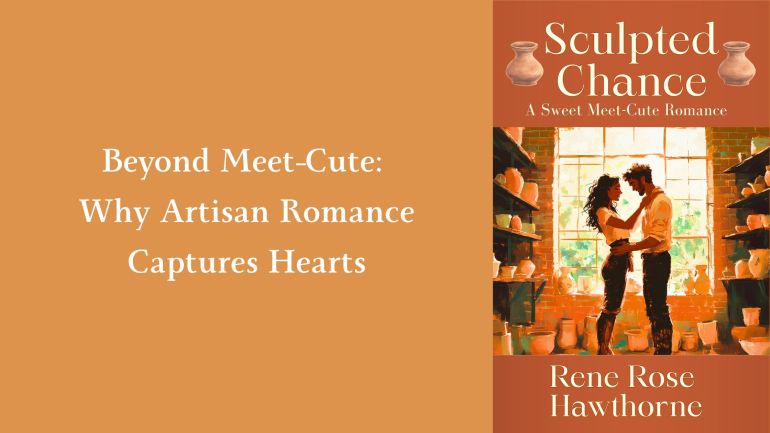
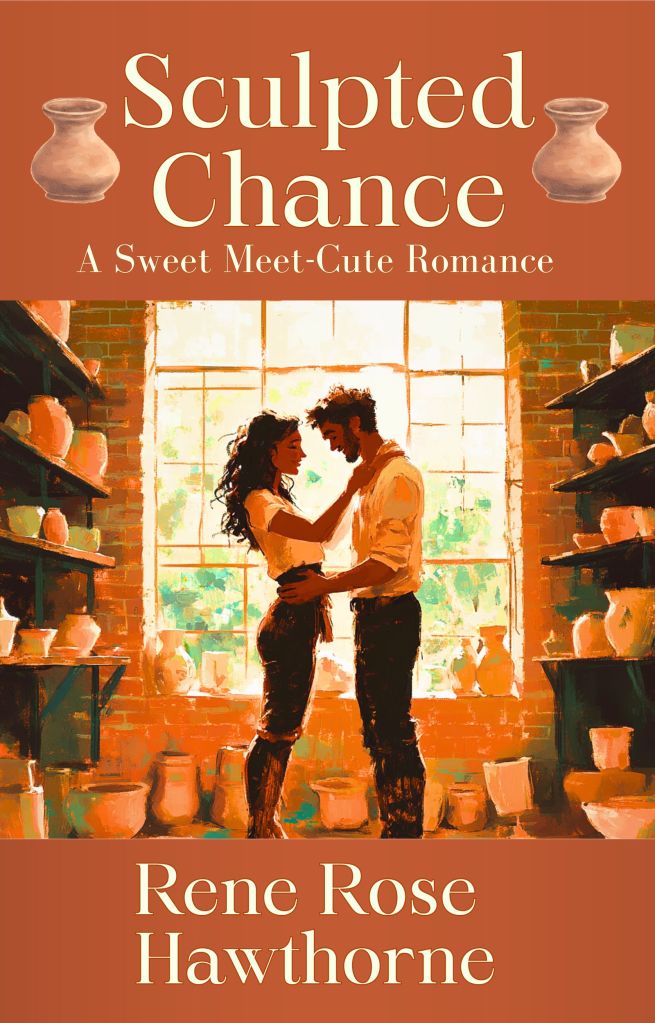
There’s something deeply romantic about characters who create beauty with their hands. In “Sculpted Chance,” Ivy doesn’t just happen to work with clay—her artistry is integral to who she is and how she connects with Lucas.
Artisan romance taps into our longing for meaningful work, for creation that feeds the soul. When Lucas watches Ivy’s hands shape clay with confidence and care, he’s seeing someone who has found her calling. Her skill and passion are attractive not just professionally, but personally.
These characters offer something our digital age often lacks: the tangible, the handmade, the slowly crafted. Their work requires patience, dedication, and a willingness to start over when things don’t go as planned—qualities that make them excellent romantic partners.
The studio setting provides natural intimacy. Shared creative spaces invite collaboration, conversation, and the kind of comfortable silence that develops between people who understand each other’s rhythms.
Artisan romance reminds us that love, like art, requires dedication, patience, and the courage to create something beautiful together. It’s about finding someone who appreciates both the process and the result.
Discover the artistry of love in “Sculpted Chance”—where romance and creativity intertwine beautifully.
-
“Try Something New”: The Invitation That Changes Everything
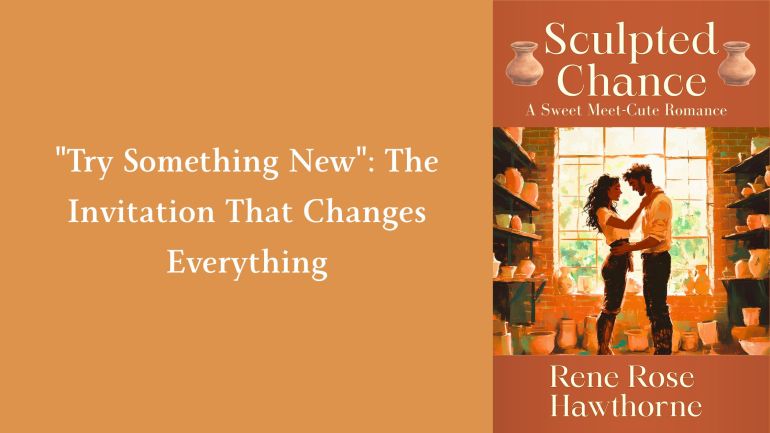
The most romantic invitations aren’t always to dinner or a movie. Sometimes they’re invitations to step outside our comfort zones, to try something we’ve never done before. In “Sculpted Chance,” Ivy’s invitation to Lucas to attend open studio night is about much more than pottery.
When she suggests he try working with clay, she’s really asking: “Are you willing to get messy? Are you open to possibility? Will you trust me enough to try something that might not come naturally?”
These invitations work beautifully in sweet romance because they’re low-pressure but high-potential. There’s no expectation of immediate mastery, just willingness to explore. Lucas doesn’t need to be a skilled sculptor; he just needs to be open to the experience—and to her.
The beauty of “try something new” invitations is that they create shared discovery. Both characters are learning something—about the activity, about each other, about themselves. These moments build connection through vulnerability and shared experience.
When someone invites us to try something new, they’re offering to be our guide, our teacher, our companion in unfamiliar territory. In romance, these invitations often become invitations to love itself.
Accept the invitation to fall in love with “Sculpted Chance”—where trying something new leads to everything.
-
Subscribe
Subscribed
Already have a WordPress.com account? Log in now.
 Rene (Rose) Hawthorne