
Story And Art as Healing: How Making Together Rebuilds Hearts
There are wounds that don’t respond to advice.
They live in the body.
They surface in silence.
They resist being named.
In stories like these, healing doesn’t arrive with speeches or solutions. It comes quietly—through rhythm, repetition, shared space, and the gentle permission to create again.
Stories, crafts, and community don’t erase pain.
They give pain a place to rest.
Purls of Love
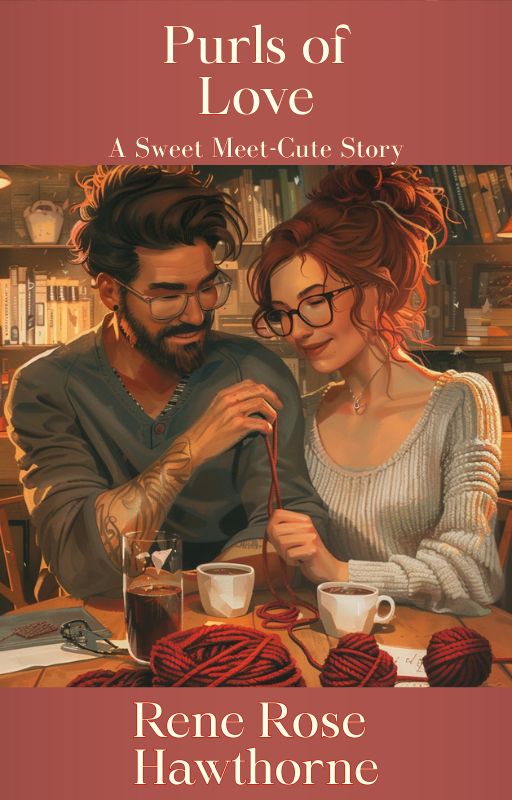
In Purls of Love, a veteran mechanic begins knitting not because he dreams of becoming an artist—but because he needs something to steady his hands and quiet his thoughts.
Knitting becomes therapy.
Then routine.
Then refuge.
With the help of a knitter who understands both patience and pain, he learns that creation doesn’t require perfection—only presence. Yarn moves through his fingers. Stories emerge between stitches. Slowly, what began as private healing grows outward.
Together, they imagine something more: a knitting group, a gathering place, a way to invite others into connection when loneliness has felt like the default.
Love in this story doesn’t rush in to “fix” anything.
It grows alongside healing.
It respects the pace of restoration.
And that may be the most romantic thing of all.
Stories That Find Us—and Each Other:
The Guernsey Literary and Potato Peel Pie Society**
In The Guernsey Literary and Potato Peel Pie Society, romance grows not in spite of hardship, but through the shared act of storytelling. Born from wartime scarcity and lingering grief, the literary society becomes a place where people are allowed to tell the truth—slowly, imperfectly, and together.
One line captures the heart of both the story and its romance:
“Perhaps there is some secret sort of homing instinct in books that brings them to their perfect readers.”
That quiet observation applies just as well to love.
Through letters, books, and long conversations shaped by mutual curiosity, characters begin to recognize one another—not through dramatic gestures, but through attentiveness. Stories open emotional doors that survival had closed. As grief is shared and understood, attraction becomes possible, grounded not in urgency, but in trust.
The romance in Guernsey unfolds through witness. To be read—to have one’s story welcomed and remembered—is a deeply romantic act. Love arrives not as rescue, but as companionship: a choice made after understanding has taken root.
For writers of sweet romance, Guernsey offers a powerful reminder: when characters are drawn together by shared meaning and story, love can feel both inevitable and earned.
Why Storytelling and Art Heals in Romance
Stories and art heal in romance because they slow us down.
They give:
- Structure without pressure
- Expression without exposure
- Community without demands
They allow characters—and readers—to sit with pain long enough for hope to arrive naturally.
When love enters these healing stories, it does so gently. Respectfully. Not as rescue, but as companionship.

Writing Prompts & Craft Notes for Romance Authors
Writing Prompts
- Write a scene where a character learns a craft or skill strictly for survival—and discovers connection instead.
- Create a shared group (book club, crafting circle, repair shop, café table) and let love grow on the edges.
- Let healing come through repetition rather than revelation.
- Write dialogue that happens while hands are busy making something.
- Let romance wait until healing feels rooted, not rushed
Craft Tips
- Allow silence to matter
- Show care through action
- Let community be character
- Honor slow pacing
- Treat healing as nonlinear
 Rene (Rose) Hawthorne