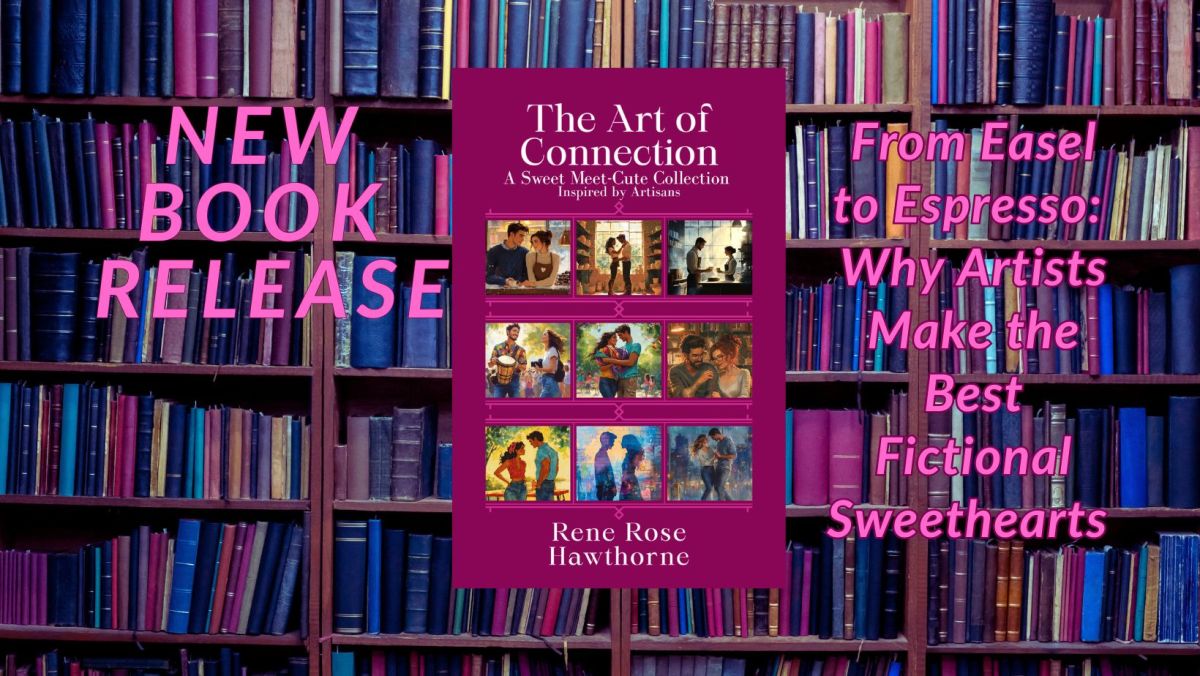
There’s something irresistible about watching an artist work. Maybe it’s the way their brow furrows in concentration, or how they lose track of time when inspiration strikes. As a romance writer, I’ve discovered that artist characters, whether they’re painters, sculptors, baristas crafting latte art, or photographers chasing golden hour, bring a special magic to love stories. Here’s why artists make such compelling fictional partners, and how you can harness that creative energy in your own writing.
The Gift of Attention
Artists are professional noticers. They observe the play of light on water, the exact shade of green in someone’s eyes, the way fabric drapes across a shoulder. This same curiosity and focus that makes them exceptional at their craft translates beautifully into romantic relationships.
An artist character doesn’t just look at their love interest, they see them. They notice the small changes: when their partner is stressed, excited, or hiding something. They remember details others might miss. This attentiveness creates natural opportunities for those quiet, intimate moments that make readers swoon. When your sculptor hero notices that his love interest always tucks her hair behind her left ear when she’s nervous, or your photographer heroine captures the exact moment her partner’s face lights up at good news, you’re showing love through the artist’s unique lens.
The Creative Process as Romantic Metaphor
The journey of creating art mirrors the development of a relationship in beautiful ways. Both require:
- Vulnerability: Sharing your art is like opening your heart—exposing yourself to judgment and rejection
- Patience: Masterpieces aren’t rushed, and neither is real love
- Revision: First drafts and first dates both need refinement
- Discovery: You never quite know what you’ll create until you begin
- Trust: In the process, in yourself, and in your partner
When your ceramic artist heroine struggles with a piece that keeps cracking in the kiln, this frustration can parallel her fear of a relationship breaking under pressure. When your painter hero finally completes his most ambitious work, the triumph can echo his willingness to finally commit. These metaphors work because they feel organic rather than forced—art is already emotional labor made visible.
Artists in Action: Examples That Work
Think of some memorable artist characters in romance:
- The passionate painter in historical romances who sees beauty where society sees scandal
- The coffee shop barista creating heart-shaped foam art while stealing glances at the regular customer
- The street artist whose murals tell the story of their neighborhood—and eventually, their love story
- The photographer who falls for their subject while learning to see beyond the lens
- The sculptor working in clay who finds themselves shaped by love
In my own stories, I’ve explored a glass blower whose delicate work contrasted with his guarded heart, and a food stylist who learned that the most beautiful things aren’t always the most perfect. These characters worked because their art wasn’t just a job—it was a lens through which they experienced and expressed love.
Sensory Romance Through Art Scenes
Art scenes are sensory goldmines for romance writers. They give you permission to slow down and luxuriate in details that engage all five senses:
Touch: The grit of charcoal on fingertips. The smoothness of marble. The warmth of freshly thrown clay. When your characters create art together—or when one teaches the other—physical proximity becomes necessary, not contrived.
Sight: The riot of colors in a paint-splattered studio. The amber glow of coffee being pulled through an espresso machine. The way afternoon light transforms a white gallery wall.
Sound: The scratch of pencil on paper. The hiss of a frothing wand. The silence of deep concentration broken only by breathing.
Smell: Turpentine and linseed oil. Fresh-roasted coffee beans. The mineral scent of wet clay.
Taste: Paint-stained fingers sharing takeout. The first sip of a perfectly crafted cappuccino. Wine at a gallery opening.
These details don’t just set the scene—they create atmosphere and intimacy. When your barista hero makes a custom drink for his love interest, adjusting the sweetness until it’s exactly right, he’s not just making coffee. He’s learning her preferences, paying attention, and creating something just for her. That’s romance.
Writing Prompt: Finding Art in Your Daily Life
Before you create your next artist character, try this exercise:
For one day, adopt an artist’s eye. Notice the small beauties and imperfections around you:
- What colors appear in your morning routine?
- What sounds create the rhythm of your day?
- What textures do you encounter but usually ignore?
- Where does light do something interesting in your space?
- What “mundane” activity could be seen as artful? (The way you arrange items on your desk, the pattern of your morning walk, how you organize your bookshelf)
Then ask yourself:
- How would an artist describe this moment?
- What would they notice that others miss?
- What emotion or meaning would they find in these details?
Keep notes on your observations. These authentic details will breathe life into your artist characters and their environments. You might discover that the way morning light hits your coffee cup could become the moment your photographer heroine falls in love. Or that the methodical process of folding laundry mirrors your potter hero’s meditative work at the wheel.
Artists make exceptional fictional sweethearts because they experience the world deeply and translate that experience into something tangible. They remind us that love, like art, requires attention, courage, and the willingness to create something that didn’t exist before. When you write artist characters with authenticity and heart, you give your readers permission to see their own lives—and their own capacity for love—as works of art in progress.
Now it’s your turn: What artist character are you inspired to create? What would they make, and who would they love?
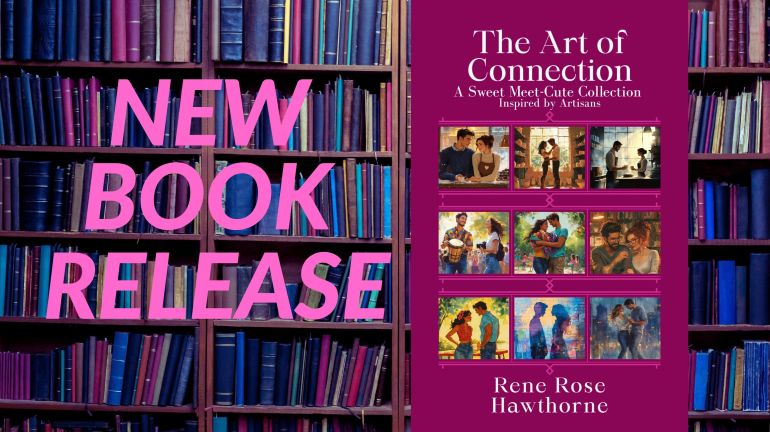
If you enjoyed this post, you might like my short-story collection The Art of Connection—a collection of sweet romance short stories where sparks fly through art and unexpected meetings.
I’m also working on a companion nonfiction book, Love in Small Doses: Meet-Cutes, Art, and the Joy of Reading and Writing Short Stories, where essays like this one live alongside prompts, behind-the-scenes notes, and reflections on how stories invite us to savor hope.
 Rene (Rose) Hawthorne