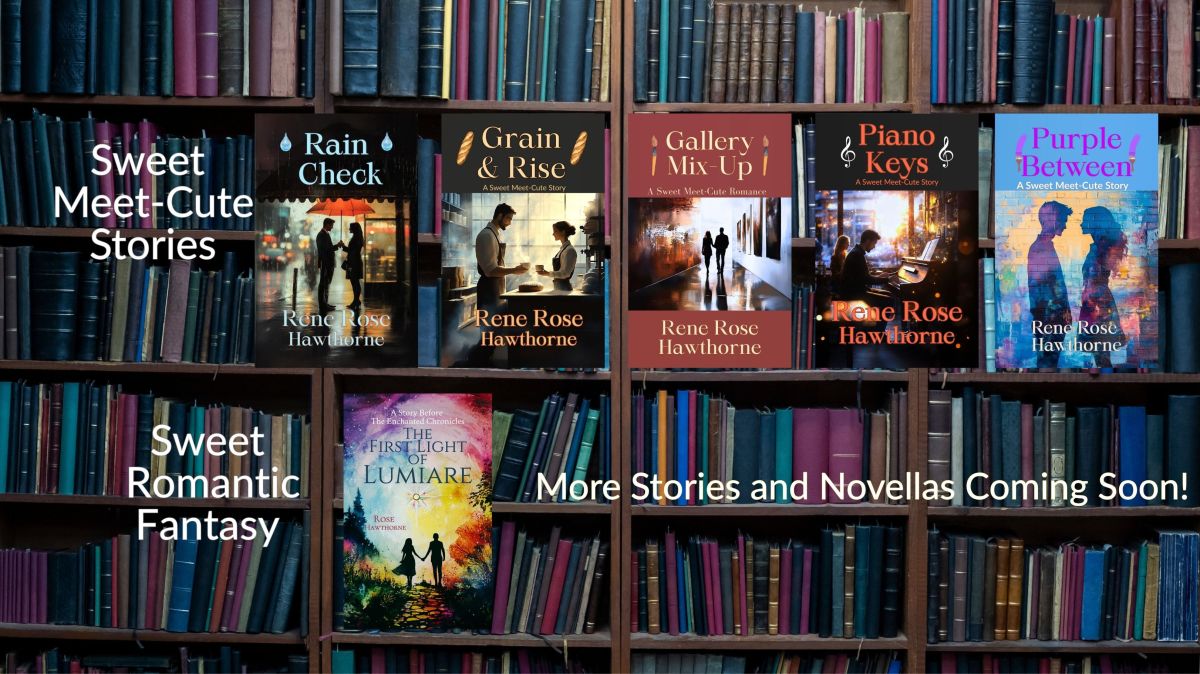
Traditional romance often relies on external circumstances to bring couples together—chance meetings, forced proximity, workplace dynamics. Artisan romance creates deeper foundation for connection by establishing shared values before characters ever meet. In “Grain and Rise,” when Maya descends from her workshop drawn by Elias’s singing, she’s already primed to recognize a kindred spirit because they both approach creation with the same reverence.
The magic lies in watching characters recognize their own devotion reflected in another’s relationship with different materials. In “Piano Keys,” Elise understands Nathaniel’s patient practice because she know what it takes to create and record music as an audio engineer. Their conversation flows naturally because they speak the same language of dedication, even across different mediums.
This shared understanding creates romantic tension that feels earned rather than manufactured. When Elise offers to help document Nathaniel’s compositions, it’s not just professional assistance—it’s one artist recognizing another’s need to preserve ephemeral beauty. Their collaboration becomes courtship because they’re each offering their greatest gifts: expertise, time, and the vulnerability of sharing unfinished work with someone who truly comprehends its value.
Artisan romance suggests that the deepest connections form not through superficial attraction but through recognition of shared values made visible in daily practice. Love becomes the natural evolution of mutual respect for each other’s dedication to beauty, craftsmanship, and the patient work of making something meaningful from nothing.
On July 8th, available for pre-order now, “Purple Between” will explore what happens when two artists who love the same medium come together on a community project.

 Rene (Rose) Hawthorne