How Physical Spaces Shape Romantic Possibility
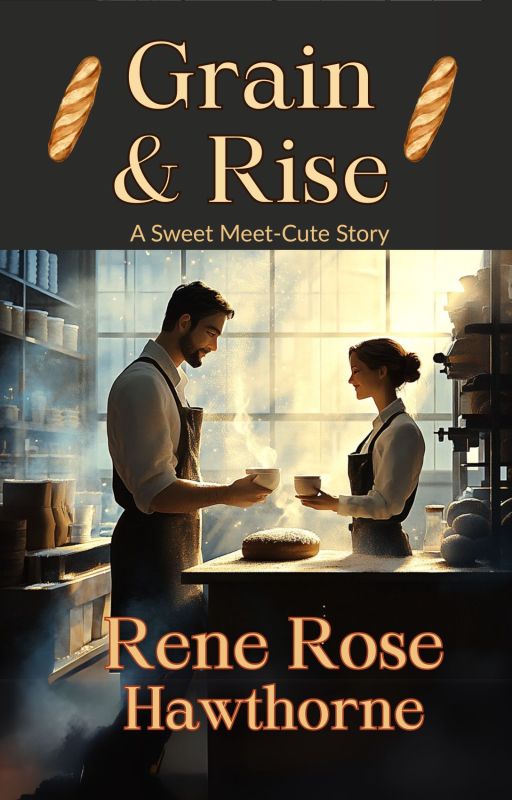
The converted warehouse in “Grain and Rise” becomes more than setting—it’s the architectural foundation that makes Maya and Elias’s connection possible. Her woodcarving sanctuary occupies the upper floor while his bakery claims the space below, creating physical proximity that allows curiosity to bloom into something deeper.
The building’s bones tell their own story: exposed brick breathing with decades of purpose, iron supports reaching skyward like cathedral arches, morning light streaming through tall windows to paint geometric patterns across workspace floors. This industrial skeleton, softened by human creativity, provides the perfect stage for artisan romance.
But it’s the building’s acoustic properties that truly enable connection. Elias’s laughter drifts upward through worn planks, drawing Maya downward toward investigation. The physical structure creates both separation and connection, allowing two solitary artists to maintain their individual creative spaces while discovering shared rhythms of morning ritual and devotion to craft.
I’m fascinated by how architecture shapes behavior and possibility. The converted warehouse feels democratic with equal space for different arts, history that honors multiple generations of makers. When Maya descends those narrow stairs toward the scent of vanilla and possibility, she’s crossing thresholds both literal and metaphorical, moving from solitude toward the recognition that some of the most beautiful creations require two hearts working in harmony.
Please support me as an indie author. Read “Grain and Rise” at Amazon.
Listen to the story for free at Youtube and Rumble.
 Rene (Rose) Hawthorne